


 DS Moto
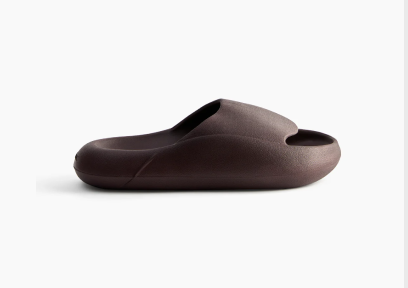
 Sliders
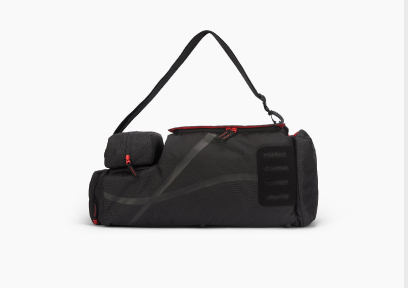
 The Sport Bag
 Socks - Pack of 8







100% Cotton vs Blended T-Shirts: Which Should You Actually Buy?

Stand in front of any t-shirt rack in India and you'll hit the same fork in the road: 100% cotton, or a cotton blend. The label says one thing. The price tag says another. And most guides online just repeat the same three lines about "breathability" without telling you what actually happens after the tenth wash. This one does.
The short answer: 100% cotton and blended t-shirts aren't competing for the same job. One is built for how it feels. The other is built for how it holds up. Once you know which one you're actually optimizing for, the decision takes about ten seconds.
What "100% Cotton" and "Blended" Actually Mean
"100% cotton" is exactly what it sounds like — the fabric is knitted entirely from cotton fiber, with nothing else spun in. GSM (grams per square metre) tells you the weight and density: anything under 180 GSM feels thin and see-through, 200–240 GSM is the standard everyday-tee range, and anything above 280 GSM starts feeling closer to a sweatshirt than a tee.
A blended t-shirt mixes cotton with a synthetic fiber, usually polyester, sometimes spandex or elastane in the same yarn. A common ratio is 60% cotton to 40% poly, though the exact split changes what you get. More poly means more stretch and moisture control. More cotton means more softness and breathability. There's no universal "better" blend. The ratio is the whole story.
Knowing the GSM and the ratio matters more than knowing the brand name on the tag. Two shirts both marked "cotton blend" can behave completely differently depending on what's actually in the yarn.
Comfort and Breathability: The Everyday Test
This is where 100% cotton wins outright, especially in Indian conditions. Pure cotton fiber is hollow at a microscopic level, which lets it absorb sweat and let air pass through — exactly what you want on a July afternoon in Mumbai or a packed Delhi metro platform in May.
Blended fabric changes this. The polyester component doesn't absorb moisture the way cotton does — it moves it, wicking sweat to the surface where it evaporates faster. That's genuinely useful for anyone spending the day moving between AC offices and outdoor heat, since the fabric dries against your skin instead of staying damp. But it comes with a tradeoff: poly-heavy blends can feel slightly clingy in high humidity, where cotton stays neutral against the skin.
If your day is mostly indoors, commuting, or casual — cotton wins on feel. If you're on your feet all day, sweating through meetings and outdoor errands both, a blend's moisture management starts to matter more than raw softness.
Durability and Shape Retention After Repeat Washes
Here's what most comparisons skip: what happens after twenty washes, not two.
100% cotton is a natural fiber, and natural fibers relax over time. Expect some shrinkage in the first two or three washes (cold water minimizes this), and expect the neckline and hem to loosen gradually with wear. A well-made, higher-GSM cotton tee resists this far better than a thin, cheap one, which is why GSM matters more than most shoppers realize.
Blended fabric holds its shape more consistently. The synthetic fiber acts like structural reinforcement. It resists stretching, recovers after a stretch, and doesn't relax the same way pure cotton does. This is why a spandex-blended tee still looks like it did on day one even after months of regular wear and washing, while a cotton tee of the same age has usually softened and loosened at the collar.
Neither is "wrong" here. It's a straightforward tradeoff: cotton ages into something softer and more lived-in; a blend stays structurally consistent but never quite reaches that broken-in feel.
Which One Wins for Indian Weather and Daily Wear
Given India's climate, long stretches of heat and humidity, short winters in most regions, the honest answer is that most wardrobes benefit from having both, used for different days rather than one replacing the other entirely.
100% cotton is the better daily-wear default for hot, humid months, easy days, and anything where comfort against skin matters more than structure. A blend earns its place on days with more movement — travel days, errands, anything where you're layering under a jacket or shirt and don't want the tee underneath holding onto sweat.
The mistake most people make is picking one fabric type and sticking to it for every occasion. The fabric should match the day, not the wardrobe philosophy.
Core T Cotton vs Core T Molecule: A Direct Comparison
Ludic makes both, which makes this an easy one to compare directly.
Same weight, same brand, genuinely different jobs. That's a more useful way to think about the 100% cotton vs blended question than any generic pros-and-cons list. The two aren't ranked against each other, they're built for different parts of the same week.
What to Avoid When Buying Either
A few things worth checking before you buy, regardless of which fabric you pick:
- No GSM listed anywhere - if a product page doesn't mention weight at all, that's usually because it's thin enough that mentioning it wouldn't help the sale.
- Cotton blend" with no ratio given - a blend could be 90% cotton or 50% cotton, and the feel is completely different. If the split isn't disclosed, assume it's on the poly-heavy side.
- Unusually low prices on "100% cotton" - genuine 200+ GSM cotton has a real fabric cost. A price far below that usually means a lower GSM than advertised, or a cotton-poly blend labeled loosely as cotton.
This isn't about any one brand, it's a pattern across the category, and it's worth a 30-second check before checkout either way.
Common Questions
Which is better for daily wear in India cotton or blended t-shirts?
For most days, 100% cotton is the more comfortable daily-wear choice in Indian heat and humidity, since it breathes and absorbs sweat naturally. Blended fabric earns its place on high-activity or high-movement days where moisture-wicking and shape retention matter more than pure softness.
Do blended t-shirts shrink less than 100% cotton?
Generally yes. The synthetic fiber in a blend resists the natural fiber relaxation that causes cotton to shrink and loosen over repeated washes, so blended tees tend to hold their original size and shape longer.
Is a higher GSM always better for a t-shirt?
Not necessarily it depends on the season and use case. Lower GSM (160–200) suits hot-weather daily wear and layering. Higher GSM (240+) gives more structure and durability but can feel warmer, which matters less for casual wear and more for anyone wearing it through a full day outdoors.
Can you tell the cotton-to-poly ratio just by touching the fabric?
Not reliably. A high-quality blend can feel nearly as soft as cotton, and a low-GSM cotton tee can feel thin enough to seem synthetic. Checking the listed fabric composition is more reliable than judging by hand-feel alone.
Discover Our T-Shirt Collection


