


 DS Moto
 Sliders
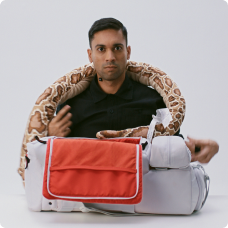 The Sport Bag
 Socks - Pack of 8








Best Polo T-Shirt Brands in India: Fabric and Fit Guide

A polo t-shirt is really a t-shirt with three extra failure points: the collar, the placket, and the elastane recovery. Any brand can get a plain tee right. What separates the best polo t-shirt brands in India is whether the collar still sits after month three, whether the buttons stay put, and whether the fit holds up once the elastane (if there is any) starts to relax. This guide ranks brands on exactly that, not on logo recognition.

What Actually Separates a Well-Made Polo From a Basic One
The parts that predict how a polo ages are the ones brands rarely put on the label.
Collar Construction
A polo collar needs interlining a stiffer inner layer sewn between the outer fabric to keep its shape. Without it, the collar curls inward within a few washes, and no amount of ironing fixes that permanently. Run your fingers along the inside of the collar: if it feels like a single thin layer of fabric, it won't hold structure for long.
Placket and Buttons
The 2 or 3 button placket is a small detail that takes real wear. It's the part of the shirt closest to constant hand contact and friction. Loose stitching around the buttonholes is the first thing to fail, usually well before the fabric itself shows any wear.
Dye and Colorfastness at Friction Points
Collar edges fade faster than the body of the shirt because they see more friction and more sun exposure day to day. A well-dyed polo resists this; a cheaply dyed one shows a visibly lighter collar within a season, even if the rest of the shirt still looks new.
Elastane Recovery (If the Blend Includes It)
A cotton-elastane polo should snap back to shape after stretching around the collar when pulled over the head and around the sleeves when the arm moves. If a stretch blend stays stretched out after a few wears, the elastane percentage is likely too low to do its job.
Check Pique Weight, Fibre Blend and Fit
A good polo is more than a collar added to a T-shirt. Compare the knit structure, fabric weight, fibre blend, collar construction and fit. Ludic’s Core Polo, for example, uses a 240 GSM pique fabric made from 95% cotton and 5% elastane, with a regular fit, stand-up collar and slightly extended sleeves. That combination shows why “cotton polo” is too broad a description for comparing products.
Fabric weight plays a major role in how a garment feels, especially for everyday wear. Understanding t-shirt GSM and fabric weight can help you compare thickness, comfort, and durability across different apparel options.
Best Polo T-Shirt Brands in India, By Price Tier
Price tells you less than fabric composition does, but it's still the first filter most people apply. Here's the honest range, from low to high, with what you're actually paying for at each level.
While polos have their own place in a wardrobe, understanding different casual silhouettes helps when choosing everyday staples. Explore our guide on types of t-shirts every man should own to compare different styles and their ideal use cases.
Under ₹1,600: DaMENSCH and Van Heusen
Damensch Coolmax Polo runs around ₹1,499 and is built specifically around moisture management. It uses a cotton-polyester blend with recycled Coolmax fibre, aimed at humid-climate sweat control over classic cotton softness.
Van Heusen's solid pure-cotton polo sits close behind at ₹1,599, leaning into a simpler, more traditional cotton feel with less engineering behind the fabric claim.
The tradeoff at this tier: You're generally getting solid construction with a proven fabric formula, but less collar reinforcement and fewer fit options than brands a tier up.
₹1,600–₹2,000: Ludic Core Polo and U.S. Polo Assn.
U.S. Polo Assn. sits above ₹1,799, built around a classic fold over collar and 2 button placket, with a genuine choice between Classic Fit (roomier) and Slim Fit (tailored). If you're comparing options in this price range, the Core Polo category is worth considering for its premium fabric, modern fits, and everyday versatility.
Comes in at ₹1,999. It features 240 GSM pique cotton with a 95% cotton and 5% elastane blend, pre-shrunk so the fit you try on is close to the fit you keep.
It's available in six colourways, including two new all-over printsHoundstooth and Pixel alongside Glacier Blue, Classic Black, Crisp White, and Vine Red, offering more variety than most brands in this bracket.
Sizing runs from S to XXXL with a detailed measurement chart, worth checking since polo sizing varies more between brands than plain t-shirt sizing.
Shop the Ludic Core Polo Collection and enjoy premium 240 GSM pique cotton, multiple fits, and colours designed for all day comfort.
The tradeoff at this tier: You're paying roughly ₹300–₹500 more than the entry tier for better collar structure and fit consistency, a fair exchange if the shirt is going into regular weekly rotation rather than occasional wear.
₹2,000+: Tommy Hilfiger
Tommy Hilfiger's polo range starts above ₹2,499, and the price difference over the mid-tier brands isn't really about fabric superiority. Its brand positioning and design detailing such as contrast-striped collars and embroidered branding more than a fundamentally different construction.
It's worth it if the logo and design language matter to you specifically, but not necessarily if you're optimizing purely for fabric quality per rupee.
How to Judge Fit Beyond the Size Label
Three checkpoints matter more than the letter on the tag:
Shoulder seam placement: It should sit at your actual shoulder edge, not slide down your arm or pull in toward your neck.
Collar lie: It should sit flat against the neck without curling upward, even after the shirt has been worn and washed a few times.
Hem behavior when you raise your arms: It should stay at hip height, not ride up. A polo that only fits well while standing still isn't actually fitting.
If a size fails any of these three on a specific brand, that's a brand-fit issue, not a sizing issue. Every brand cuts slightly differently, and sizing up or down within the same brand often solves it faster than switching brands entirely.
Fit differences can also completely change how a t-shirt sits on your body. Our guide on regular fit vs relaxed fit explains how different silhouettes affect comfort, shape, and everyday styling.
What to Avoid When Buying a Polo T-Shirt
A few polo-specific mistakes, distinct from generic t-shirt buying mistakes:
Skipping the collar-feel check: This is the single biggest predictor of how the shirt ages, and it's something you can check in ten seconds before buying, either in-store or by reading the fabric details online.
Assuming "stretch" polos are all the same: The actual elastane percentage varies a lot between brands claiming "stretch fit," and a low percentage makes very little difference compared to a plain cotton polo.
Common Questions
What makes one polo brand better than another if the fabric is similar?
Usually the construction details collar interlining, placket stitching quality, and how well the dye holds at friction points like the collar and cuffs. Two polos with identical GSM and fibre blend can age very differently based on these construction choices alone.
Is a more expensive polo t-shirt always better made?
Not automatically. Price sometimes reflects brand positioning and design more than construction quality. Tommy Hilfiger's premium pricing, for instance, is partly about design detailing and brand recognition rather than a fundamentally different fabric. Checking collar construction and stitching quality directly is more reliable than relying on price alone.
How many wears before a polo's fit and colour start to show wear?
For a well-constructed polo with proper collar interlining and colorfast dye, expect the collar and cuffs to hold their shape and colour through 30–40 washes with minimal visible fading. Lower-quality construction can show collar curling or cuff fading within 10–15 washes.
Does a cotton-elastane blend fit better long-term than 100% cotton?
For collar and cuff retention, yes. Elastane helps resist the stretching that pure cotton develops around high-movement areas. For overall softness and breathability, however, 100% cotton still has the edge. It's a tradeoff rather than a strict upgrade.
Compare fabric, fit, and quality before you buy. Explore the Core Polo Collection for premium pique cotton polos made for everyday comfort and lasting style.


