


 DS Moto
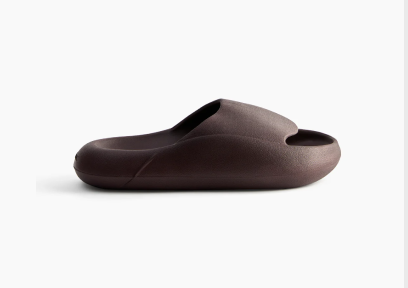
 Sliders
 The Sport Bag
 Socks - Pack of 8








How Molecule Fabric Works: Cotton Outside, Moisture-Wicking Inside

Cotton feels like cotton for a reason you can actually name: it's absorbent. That's exactly what makes a plain cotton tee comfortable against bare skin on a normal day, and exactly what makes it feel heavy and damp the moment you start sweating. Performance fabrics solve the sweat problem by doing the opposite: synthetic fibres like polyester don't hold onto moisture, so sweat moves through them instead of soaking in. The catch is that a 100% synthetic tee rarely feels, drapes, or looks like a cotton one, and plenty of people don't want to give that up just to stay dry.
Core T Molecule is Ludic's answer to not having to pick a side. It's built from a two-layer knit cotton facing out, a polyester-led blend facing in. So the side you see and touch is cotton, and the side against your skin is doing the moisture-management work. Here's how that actually works, and what it means for wearing one.
Why Cotton and Moisture-Wicking Usually Fight Each Other
Cotton is a hydrophilic fibre it absorbs water readily, which is exactly why it feels soft and breathable in dry, everyday conditions. The same property works against you the moment you start sweating: cotton soaks the moisture up and holds it against your skin, where it stays damp until it eventually evaporates or you change. On a short walk that's barely noticeable. On a humid commute, a full day at a desk with the AC cycling on and off, or a warm evening out, it's the difference between a shirt that feels fine and one that feels like it needs changing by lunchtime.
Synthetic fibres like polyester are hydrophobic; they resist absorbing water. Sweat sits on the fibre surface instead of soaking in, so it moves along the fabric more easily and evaporates faster. That's the entire basis of "moisture-wicking" performance wear. It's also why an all-polyester T-shirt, whatever its technical merits, doesn't feel like cotton against the skin, because it isn't. It can feel slick, cling differently, and lack the matte, soft hand-feel cotton has.
Most T-shirts pick one side of this trade-off: 100% cotton for the feel, or a synthetic performance blend for the sweat management, and ask you to choose which problem you'd rather have. Core T Molecule is built to avoid picking not by compromising on both, but by putting each fibre where its property actually helps.
How Molecule Fabric Is Actually Built
Ludic describes Core T Molecule as built from "dual-ply fabrics: cotton, making it breathable, and poly for moisture wicking." A two-sided knit with cotton on the outer face and a polyester-led blend on the inner face, finished at 60% cotton, 34% polyester and 6% spandex, at 240 GSM.
This kind of construction has a real name in textile manufacturing: plated fabric. It's a knitting technique where two different yarns are fed into the machine at the same time, so one yarn lands on the face of the fabric and the other on the back, in a single knitting pass rather than as two separate fabrics stitched or laminated together afterward. Cotton-outside, polyester-inside is one of the most common uses of the technique specifically because it targets moisture-wicking. The outer cotton face keeps the look, feel and breathability people want from a T-shirt, while the inner synthetic face does the job cotton alone can't.
The mechanism is straightforward once you know the two fibres' properties: the hydrophobic layer against your skin doesn't hold onto sweat, so it pushes the moisture outward toward the hydrophilic cotton face, which absorbs it and spreads it across a wider surface area where it can evaporate. The side touching you stays comparatively drier than a single-layer cotton tee would, without needing a fully synthetic garment to get there. It's a one-way transfer, driven by the fact that one face actively resists holding water and the other actively wants to.
Worth being precise about what's proprietary here and what isn't: plating cotton with polyester for moisture management is an established, widely used technique across the textile industry Ludic didn't invent, and it isn't unique to this brand. What's specific to Core T Molecule is the 60/34/6 composition ratio, the 240 GSM weight, and building it into a relaxed, everyday tee rather than a technical sports layer.
The 6% spandex isn't part of the moisture-management story; it's there for stretch and recovery, which is also why the finished fabric is described as non-creasing and holds its shape through repeated wear and washing.
Shop Core T Molecule for a breathable, moisture-managing everyday tee with a cotton face, stretch, and shape-retaining comfort.
What This Feels Like Day to Day
On skin, the difference from a plain cotton tee shows up most on a hot day or partway through a long one, rather than the moment you put it on. Early in the day, both a plain cotton tee and Core T Molecule feel similar soft, breathable, unremarkable. The gap opens up once you start sweating: the inner face doesn't load up with moisture the way plain cotton does, so the shirt feels less clingy and heavy as the hours go on, whether that's a commute in humid weather, back-to-back meetings in an office that's warmer than the AC can keep up with, or a walk that turns out longer than planned.
Visually and to the touch from the outside, it still reads as a cotton tee, no shine, no synthetic hand-feel, no obvious sign that a different fibre is doing the work on the inside. That's the point of putting cotton on the face rather than blending the two fibres into one yarn: the shirt looks and feels like the cotton tee people default to, right up until the moment the inner layer's job actually matters.
Core T Molecule is cut in a relaxed fit, sized to drape rather than cling, which is built for an Indian body shape and climate, specifically a looser fit gives the fabric room to do its job instead of sitting tight against the skin where airflow is limited. It comes in five colourways: Matcha Green, Classic Black, Cosmic Orange, Dune Beige and Crisp White, each with the same tonal branding detail on the chest.
Caring for Molecule Fabric
Because it's a blended, plated construction rather than plain cotton, the care instructions are a little more specific than "wash and go":
- Machine wash, maximum 30°C
- Do not bleach
- Do not dry clean
- Do not tumble dry
- Iron on low heat
Skipping the tumble dry step matters more here than on a plain cotton tee. High heat can affect a synthetic fibre's structure over repeated cycles, and on a plated fabric that means the inner face's moisture-wicking performance can degrade over time even if the shirt still looks fine from the outside. A cooler, gentler wash and air-drying keeps both faces doing their intended job for longer.
Where Molecule Fits in Ludic's T-Shirt Range
Ludic sells more than one kind of T-shirt, and they're not interchangeable; each is built around a different trade-off. Core T Cotton is a straightforward 100% cotton tee for people who want the classic feel with no construction trade-offs to think about. Core T Molecule is the pick specifically for comparing cotton feel against moisture management commutes, humid days, anyone who sweats through a plain cotton tee by midday but doesn't want to switch to something that feels synthetic against the skin.
If you're comparing T-shirts on GSM and weight more broadly before construction enters the picture, our GSM guide covers how fabric weight affects feel and durability. Construction of a plated build like Molecule's, versus a single-fibre knit is the layer of the decision that sits alongside GSM, not in place of it: two tees at the same 240 GSM can behave very differently depending on what they're actually built from.
Common Questions About Molecule Fabric
Does Core T Molecule actually feel like a cotton T-shirt?
From the outside and against the visible surface, yes the face you see and touch is cotton. The difference shows up on the inside, against your skin, where the polyester-led face is doing the moisture-management work a plain cotton tee doesn't.
Is Core T Molecule good for humid Indian summers?
That's the specific use case it's built for. The inner face is designed to move sweat away from the skin rather than let it sit and soak in the way plain cotton does, which matters most on hot, humid days or anytime you're sweating through a shirt by midday.
What's the difference between this and just wearing a polyester T-shirt?
An all-polyester tee wicks moisture well but feels and looks synthetic with a different hand-feel, sometimes a slight sheen, and a drape that doesn't match cotton. Core T Molecule keeps the cotton face on the outside specifically so it looks and feels like a cotton tee, while still getting a moisture-managing layer where it actually matters against the skin.
Can I tumble dry Core T Molecule?
No care instructions specify no tumble drying, alongside a 30°C max wash, no bleach, no dry cleaning, and ironing on low heat. High heat is the main risk to a blended, plated fabric's performance over time.
None of this is really about picking a "better" fabric in the abstract cotton and polyester are each good at different things, and Core T Molecule's whole premise is using both where they help instead of asking you to choose. If you've been reaching for a plain cotton tee and quietly wishing it handled sweat better without turning into something that feels synthetic, that's exactly the gap this fabric is built to close.
Explore Core T Molecule for cotton comfort with moisture-managing performance, designed for everyday wear in warm and humid conditions.


