


 DS Moto
 Sliders
 The Sport Bag
 Socks - Pack of 8








Different Types of Shoes: 20+ Footwear Styles Explained

There are many different types of shoes, including sneakers, running shoes, loafers, Oxfords, Derby shoes, boots, sandals, slides, heels, flats, mules, brogues and traditional Indian footwear such as Kolhapuri chappals and juttis.
Each type of footwear serves a different purpose. Some shoes are designed for everyday comfort, while others are better suited to running, office wear, formal occasions, travel or outdoor activities.
In this guide, we explain the most popular types of shoes and footwear, their names, key features and ideal uses so you can easily understand the differences and choose the right pair for your needs.
What Are the Different Types of Shoes?
Shoes are available in many styles based on their design, purpose and occasion. Some are built for everyday comfort, while others are designed specifically for sports, formal wear or outdoor activities.
Here are some of the most common types of shoes:
Sneakers – Versatile casual shoes suitable for everyday wear, walking and travel.
Running Shoes – Cushioned athletic shoes designed for running, jogging and workouts.
Canvas Shoes – Lightweight casual footwear commonly worn with relaxed everyday outfits.
Slip-On Shoes – Lace-free shoes designed for easy and comfortable everyday wear.
Loafers – Smart slip-on shoes that work well for casual, office and semi-formal outfits.
Oxford Shoes – Classic formal shoes recognised by their closed-lacing construction.
Derby Shoes – Formal or semi-formal shoes with open lacing for a slightly more relaxed fit.
Brogues – Dress shoes featuring decorative perforations across the upper.
Monk Strap Shoes – Formal shoes secured using buckle straps instead of traditional laces.
Chelsea Boots – Ankle-length boots with elastic side panels that work with smart and casual outfits.
Chukka Boots – Ankle-high boots featuring a simple lace-up design.
Hiking Shoes – Durable footwear designed to provide grip and support on outdoor terrain.
Sandals – Open footwear suited to warm weather and casual dressing.
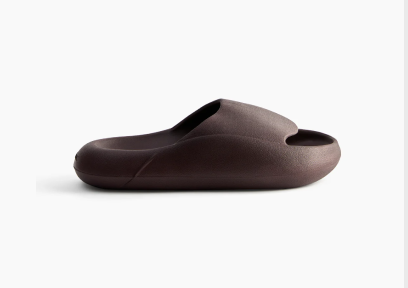
Slides – Backless open footwear that can be slipped on easily.
Flip-Flops – Lightweight open footwear commonly used for beaches, home and casual outings.
Flats – Low-profile footwear such as ballet flats and Mary Janes.
Heels – Women's footwear with an elevated heel, including block heels, stilettos and kitten heels.
Wedges – Heeled footwear featuring a continuous raised sole from heel to toe.
Mules – Backless shoes available in both flat and heeled styles.
Espadrilles – Lightweight casual shoes traditionally associated with rope or jute-style soles.
Kolhapuri Chappals – Traditional Indian sandals commonly styled with ethnic and casual outfits.
Juttis and Mojaris – Traditional closed footwear popularly worn with festive and ethnic clothing.
These shoe types often overlap across categories. Sneakers, for example, can be both casual and athletic footwear, while loafers can work for everyday, office and semi-formal occasions.
How Are Different Types of Footwear Classified?
Footwear can be classified in several ways depending on its purpose, design, material and intended wearer.

By Purpose
Based on how they are used, the main categories include:
Casual footwear
Athletic and sports shoes
Formal footwear
Outdoor footwear
Work and safety shoes
Traditional footwear
Specialised or therapeutic footwear
Running shoes, for example, are designed for athletic activity, while Oxfords and Derby shoes are generally associated with formal or professional dressing.
By Design
Shoes can also be classified according to their construction and shape, including:
Lace-up shoes
Slip-on shoes
Open-toe footwear
Closed-toe footwear
Low-top shoes
High-top shoes
Ankle-length footwear
Different designs offer different combinations of comfort, support, flexibility and style.
By Material
Common shoe materials include:
Leather
Suede
Canvas
Mesh
Rubber
Synthetic fabrics
The material used can influence a shoe's durability, breathability, flexibility, appearance and maintenance requirements.
By Wearer
Footwear may also be designed specifically for:
Men
Women
Children
Unisex wear
However, many modern sneaker and casual footwear styles are increasingly designed as unisex options.
Main Categories of Footwear
Footwear can be broadly categorised based on design, functionality, and formality. The primary categories include:
Athletic Shoes: Designed for sports and physical activities, offering support and cushioning.
Casual Shoes: Everyday footwear that prioritises comfort and versatility.
Formal Shoes: Elegant designs suitable for professional settings and special occasions.
Boots: Covering the foot and extending above the ankle, often used for protection or fashion.
Sandals: Open-toed designs are ideal for warm weather.
Traditional Footwear: Styles that reflect cultural heritage and practices.
Exploring Different Types of Footwear
Let's delve into some popular types of footwear within these categories:
Athletic Shoes
Athletic shoes, commonly known as sneakers, are engineered for physical activities but have become a staple in casual wear due to their comfort and style. They come in various forms tailored to specific sports, such as running shoes with enhanced sole support and tennis shoes designed for lateral movements.
Key Features
Supportive Soles: Provide cushioning and reduce impact during activities.
Breathable Materials: Ensure ventilation to keep feet dry.
Durable Construction: Withstands rigorous movements and wear.
Casual Shoes
Casual shoes offer a blend of comfort and style, making them suitable for daily activities. This category includes various designs that cater to different preferences and occasions.
Examples
Loafers: Slip-on shoes that provide a polished yet relaxed look.
Ballet Flats: Inspired by ballet shoes, these flats are versatile and feminine.
Canvas Shoes: Lightweight and breathable, perfect for leisurely outings.
Espadrilles: Comfortable shoes with rope soles, often worn in warm climates.
Formal Shoes
Formal shoes are designed to complement professional attire and evening wear, built around clean lines and a polished finish.
Examples:
Pumps: Closed-toe heels that add height and grace to an outfit.
Oxfords: Lace-up shoes known for their sleek design, suitable for business settings.
Derby Shoes: Similar to Oxfords but with open lacing, offering a slightly less formal appearance.
Brogues: Characterised by decorative perforations, ideal for semi-formal wear.
Boots
Boots are versatile and can be worn for both functional purposes and fashion statements. They vary in length, material, and design.
Examples:
Ankle Boots: End at the ankle, suitable for various outfits and seasons.
Knee-High Boots: Extend up to the knee, often paired with skirts or dresses.
Combat Boots: Durable and rugged, originally designed for military use but now popular in casual fashion.
Hiking Boots: Designed for rough terrains, providing ankle support and durability.
Sandals
Sandals are ideal for warm climates, offering breathability and ease. They range from simple designs to more elaborate styles.
Examples:
Flip-Flops: Minimalist design with a Y-shaped strap, perfect for beach outings.
Gladiator Sandals: Characterised by multiple straps, reminiscent of ancient Roman footwear.
Wedge Sandals: Combine the openness of sandals with the added height of wedges.
Slide Sandals: Feature a single strap across the foot, offering convenience and style.
Traditional Footwear
Traditional footwear reflects cultural identities and practices, often handcrafted using age-old techniques.
Examples:
Moccasins: Soft leather shoes originating from Indigenous North American cultures.
Espadrilles: Canvas shoes with esparto rope soles, traditional in Spain.
Geta: Wooden sandals from Japan, elevating the foot with wooden teeth.
Kolhapuris: Handcrafted leather sandals from India, known for their durability.
Popular Types of Shoes for Women
Women's footwear includes casual, athletic, formal and traditional styles, giving plenty of options for everyday wear as well as special occasions.
Sneakers
Sneakers are a popular everyday choice because they combine comfort with versatility. They work well for commuting, travel, casual outings and relaxed everyday dressing.
Flats
Flats include styles such as ballet flats and Mary Janes. They provide an easy alternative to heels for office wear, casual occasions and everyday use.
Loafers
Women's loafers offer a smart yet comfortable option for office and semi-formal outfits. They can be paired with trousers, dresses, skirts and jeans.
Heels
Popular types of heels include:
Stilettos
Block heels
Kitten heels
Platform heels
Each offers a different balance of height, comfort and styling.
Mules
Mules are backless shoes available in both flat and heeled designs. They work especially well with modern casual and smart-casual outfits.
Sandals
Sandals are ideal for warm-weather dressing and are available in casual, dressy and traditional designs.
Boots
Popular women's boot styles include ankle boots, Chelsea boots and knee-high boots. They can be styled with jeans, trousers, skirts or dresses depending on the occasion.
Juttis and Mojaris
Juttis and Mojaris are popular traditional footwear options for weddings, celebrations and festive occasions and pair particularly well with Indian ethnic wear.
How Many Types of Shoes Are There?
There is no fixed number of shoe types because footwear can be classified by design, purpose, material, activity and cultural style.
However, most everyday footwear falls within around 20 commonly recognised shoe styles, including sneakers, running shoes, loafers, Oxfords, Derby shoes, brogues, boots, sandals, slides, flats, heels and mules.
Within these broader categories are many variations. Boots alone, for example, can include Chelsea boots, Chukka boots, hiking boots, work boots and knee-high boots.
Instead of focusing on an exact number, it is more useful to understand the major shoe categories and select footwear according to your activity, comfort needs and occasion.
Choosing the Right Footwear
When selecting footwear, consider the following factors:
Purpose
Start with the activity. Running shoes are designed differently from formal shoes, while hiking footwear requires more grip and protection than everyday sneakers.
Fit and Comfort
Shoes should feel comfortable without excessive pressure around the toes, heel or sides of the foot. Fit can vary between different shoe styles and materials.
Material
Canvas and mesh generally feel lighter and more breathable, while leather and suede offer a different balance of durability, structure and appearance.
Occasion
Sneakers and slip-ons work well for casual wear, while Oxfords, Derbys and loafers are more appropriate for professional or formal settings.
Personal Style
The best footwear should complement your wardrobe while still providing the comfort and functionality required for regular use.
Different Types of Shoes for Men
Men's footwear ranges from everyday sneakers to formal dress shoes and outdoor boots. Choosing the right style depends largely on where you plan to wear them and the level of comfort or formality required.
Sneakers
Sneakers are among the most versatile types of shoes for men. They work well for casual outings, travel and everyday wear and can be paired with jeans, chinos, shorts and other relaxed outfits.
Ludic's three sneakers in this category sit at three different price points, and the gap between them isn't arbitrary each step up is buying something specific.
Enhanced Canvas Low (₹2,999) is the entry point. Canvas-suede-leather construction reads a little more dressed-up than a standard sneaker without asking for a premium price. Start here if budget is the main constraint, or you want something that can lean smart-casual as well as everyday.
Nova Play (₹3,499) sits in the middle, and the extra ₹500 over Enhanced Canvas Low buys genuine flexibility, not just a step up in price seven interchangeable laces mean one pair can look different depending on the day, instead of committing to a single look permanently. Reach for this if you want one sneaker that adapts across a full week rather than buying multiple pairs for different occasions.
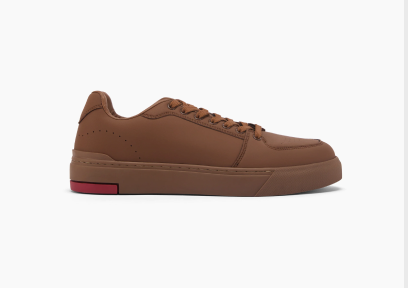
DS Moto (₹4,999) is the premium pick, and the extra cost is specifically for the sole a low-profile, racetrack-inspired outsole that's genuinely distinctive rather than a shared, off-the-shelf design most sneakers in this category use. See how that sole was actually designed for the full story. Worth the jump if a signature detail matters more to you than the price gap.
Find the right sneaker for your style, budget and everyday needs. Explore Ludic’s sneaker collection and choose your pair.
Loafers
Loafers are slip-on shoes that sit between casual and formal footwear. They are suitable for office wear, smart-casual outfits and occasions where traditional dress shoes may feel too formal.
Oxford Shoes
Oxfords feature a closed-lacing system and are considered one of the classic types of formal shoes for men. They pair particularly well with suits, formal trousers and business attire.
Derby Shoes
Derby shoes use an open-lacing design, making them slightly more relaxed and often roomier than Oxfords. They can be worn for both professional and semi-formal occasions.
Brogues
Brogues are identified by decorative perforations on the upper. Depending on their design, they can work with suits, trousers, chinos and smart-casual outfits.
Chelsea Boots
Chelsea boots are ankle-length boots with elastic side panels. Their clean silhouette makes them suitable for both casual and smart-casual styling.
Running Shoes
Running shoes are designed with cushioning, flexibility and support for running, workouts and other active use.
Slip-On Shoes
Slip-ons are convenient everyday shoes without traditional laces. They are particularly useful for travel and casual occasions where comfort and ease are priorities.
Ludic's Enhanced Canvas Slip-On fits this category directly an elastic collar instead of laces, true to size, built for exactly the kind of easy on-and-off wear this shoe type is meant for. If Nova's minimal, vegan-leather build fits what you're after instead, that's true to size as well.
Types of Shoes for Different Occasions
The right footwear depends not only on style but also on where and how you plan to wear it.
|
Occasion |
Suitable Types of Shoes |
|
Everyday wear |
Sneakers, canvas shoes, slip-ons |
|
Office |
Loafers, Oxfords, Derby shoes |
|
Formal events |
Oxfords, brogues, heels |
|
Smart-casual occasions |
Loafers, clean sneakers, Chelsea boots |
|
Running |
Running shoes |
|
Gym and workouts |
Training and sports shoes |
|
Walking and travel |
Cushioned sneakers and walking shoes |
|
Summer |
Sandals, slides and flip-flops |
|
Hiking and outdoor activities |
Hiking or trekking shoes |
|
Weddings and festivals |
Juttis, Mojaris and Kolhapuri chappals |
For regular use, comfort, fit and support should be prioritised along with appearance. Shoes designed for specific activities, such as running or hiking, generally provide better support than regular casual footwear for those activities.
Ludic: Official Footwear Partner of CSK
Ludic has established itself as a reputable name in the footwear industry. As the official footwear partner of Chennai Super Kings (CSK), an Indian Premier League (IPL) franchise for the 2025-26 season, Ludic is bringing innovation and comfort to cricket enthusiasts and athletes alike. Their commitment to quality and style makes them a top choice for sports and casual footwear.
Suggested - Suede vs Leather material for shoes
Footwear Styles Table
Choosing the right footwear can completely transform your comfort, style, and overall outfit. To help you understand the most popular shoe types and when to wear them, we’ve created a simple and easy-to-read footwear styles table. Explore this table to find the perfect pair for every occasion, season, and lifestyle.
| Footwear Style | Description |
|---|---|
| Sneakers | Everyday comfortable shoes ideal for casual wear, walking, and travel. |
| Running Shoes | Lightweight, cushioned shoes designed for exercise and long walks. |
| Canvas Casual Shoes | Breathable, simple shoes perfect for warm weather and daily outings. |
| Slip-On Shoes | Easy no-lace shoes great for quick wear and casual comfort. |
| Loafers | Stylish slip-ons suitable for office, semi-formal wear, and daily use. |
| Oxfords | Classic lace-up formal shoes for business and special events. |
| Derby Shoes | Semi-formal lace-up shoes with open lacing for office and occasions. |
| Brogues | Dress shoes with decorative perforations for a sophisticated look. |
| Monk Strap Shoes | Formal shoes with buckle straps offering a modern style upgrade. |
| Boots (Ankle / Chukka) | Versatile boots for casual to semi-formal outfits and colder weather. |
| Hiking / Trekking Shoes | Rugged shoes designed for outdoor terrain, travel, and adventure. |
| Sandals | Open footwear ideal for summer, casual outings, and comfort. |
| Flip-Flops | Lightweight, open-toe footwear for home, beach, and casual use. |
| Slides | Simple slip-on sandals perfect for quick errands and warm weather. |
| Kolhapuri Chappals | Traditional handcrafted Indian sandals ideal for ethnic or casual looks. |
| Juttis / Mojaris | Embroidered ethnic footwear, perfect for weddings and festive wear. |
| Ballet Flats | Lightweight women's flats suitable for work or everyday comfort. |
| Heels | Elegant footwear for parties, events, and formal outings. |
| Wedges | Comfortable heeled shoes offering height with better balance. |
| Mules | Backless slip-ons that pair well with both casual and semi-formal outfits. |
Wrapping Up
Understanding the different types of footwear enables you to make informed choices based on your lifestyle and needs. Whether you’re looking for everyday comfort, athletic performance, or formal elegance, there is a footwear category suited for every occasion. By investing in high-quality and well-fitted shoes, you can enhance both your style and foot health.
For more insights into fashion and footwear trends, visit Ludic footwear.
Find the right footwear for your style and comfort. Explore Ludic’s footwear collection and choose the pair that fits your everyday needs.
Suggested read: Sneaker buying checklist and Types of sneakers
FAQs about Types of Footwear
What are the main types of shoes?
Common types of shoes include sneakers, running shoes, loafers, Oxfords, Derby shoes, brogues, boots, sandals, slides, flats, heels, mules and traditional footwear such as juttis and Kolhapuri chappals.
How many types of shoes are there?
There is no official fixed number. However, there are around 20 widely recognised everyday shoe styles, with many additional variations based on purpose, construction and cultural design.
What are the main categories of footwear?
The main footwear categories include casual shoes, athletic shoes, formal shoes, boots, sandals, outdoor footwear, work shoes and traditional footwear.
Which type of shoes is best for everyday use?
Sneakers, canvas shoes and slip-ons are popular everyday choices because they generally provide a good combination of comfort, versatility and easy styling.
What are the most common types of shoes for men?
Common men's shoe styles include sneakers, loafers, Oxfords, Derby shoes, brogues, running shoes, slip-ons and Chelsea boots.
What are the most common types of shoes for women?
Popular women's footwear styles include sneakers, flats, loafers, heels, sandals, mules, boots and traditional styles such as juttis.
What is the difference between sneakers and casual shoes?
Sneakers are one category of casual footwear, generally characterised by flexible construction, cushioned soles and sport-inspired designs. Casual shoes are a broader category that can also include loafers, canvas shoes, slip-ons and other everyday styles.
Which type of footwear is best for walking?
Well-cushioned walking shoes or supportive sneakers are generally best for extended walking. Look for proper fit, cushioning, flexibility and adequate support based on how far and how often you walk.


