


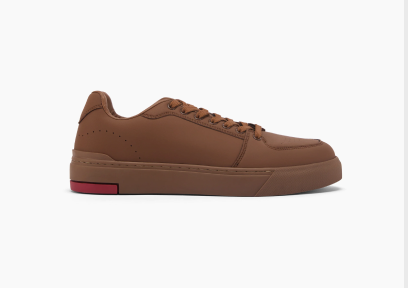
 DS Moto
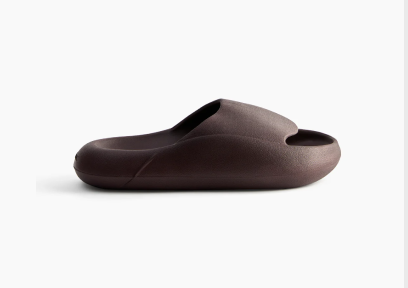
 Sliders
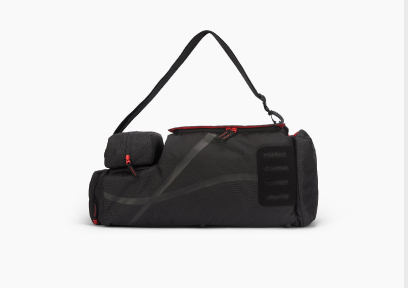
 The Sport Bag
 Socks - Pack of 8





How a Sneaker Sole Is Designed: From Sketch to Tooling

Everybody knows the Nike Pegasus. Everybody knows Adidas Boost. But what makes them theirs recognisable, unmistakable, impossible to copy exactly even when a hundred brands try? It's not the logo. It's not even the upper. It's tooling.
Most people have never heard the word. Fewer think about it when they're deciding between two pairs of sneakers. But tooling is where footwear actually becomes something a brand can call its own and it's one of the more expensive, more deliberate decisions a footwear brand makes.
What "Tooling" Actually Means
Tooling is the production term for a shoe's sole specifically, the mould that shapes it. There are a lot of silhouettes in the world, a lot of uppers, a lot of colourways. But the tooling underneath is where a shoe stops being generic and starts being specific to whoever made it. Every good tooling is designed with a purpose baked in: trail shoes get aggressive lugs for grip on loose ground, track spikes get exactly that, everyday shoes get tread patterns built for the kind of multi-directional, unpredictable walking most of us actually do pavement, tile, wet stairs, gravel, all in the same day.
The Two Paths: Use What Exists, or Build Your Own
When a footwear brand needs a sole, there are really only two ways to get one.
The first is white-labeling using a sole that already exists, sourced from a manufacturer who's already tooled it up for someone else. It's fast, it's reliable, and there's nothing wrong with it as a strategy. Plenty of good shoes are built this way. But it has one structural limitation: if you can have it, anybody can. It's not really yours. It's a sole you're borrowing the shape of.
The second path is building your own starting from a sketch, not a catalogue.
What Building Your Own Actually Takes
Going from sketch to a finished, production-ready tooling isn't a quick process, and it isn't cheap. A sketch turns into a tech pack the detailed spec sheet a mould-maker actually works from. The tech pack turns into a maquette, a physical first pass at the shape. The maquette turns into sample moulds. And then it's iteration after iteration small adjustments to flex points, tread depth, wall thickness, sole geometry until the tooling actually performs the way it looked like it would on paper.
It's slower than white-labeling. It costs considerably more. But what you get in return is something nobody else has, much like our DS Moto. For a footwear brand, a custom tooling isn't just a sole sitting under a shoe it's intellectual property. It's the one part of the shoe a competitor genuinely cannot replicate without starting the entire process over from their own sketch.
Why We've Chosen to Build Our Own, More Than Once
At Ludic, we've gone the custom-tooling route a few times now not because it's the easier choice, because it isn't, but because the alternative means handing over the one part of the shoe that could actually be ours.
Our Sliders are the clearest example. The tooling underneath them isn't borrowed from anyone; it's been in production long enough to put over 65,000 pairs into the world, which is either a lot of validation or a lot of pressure to get the next iteration right, depending on how you look at it.
The Enhanced Canvas sole is the same story with a different shape built specifically for how that shoe needed to move and flex, not adapted from something that already existed. The DS Moto sole went through the same process for a completely different purpose: a low-profile outsole built with driving enthusiasts in mind, where the usual sneaker tooling logic doesn't really apply.
Three different products, three different reasons to need a specific sole, and three separate decisions to build rather than borrow.
What's Coming Next
There's another tooling currently in progress. We're not ready to say much about it yet, but it's a clog. That's genuinely all we're confirming for now: the shape, the category, and that it's real. Everything else when, what it's made from, what it looks like fully assembled stays in the sketch-to-tooling process this article just walked through, which takes as long as it takes.
Every tooling tells a different story, just like our Enhanced Canvas Slip-On. And every one of them starts long before the shoe ever reaches your feet.
Frequently Asked Questions
Why doesn't Ludic just use an existing sole, like most brands do?
We could white-labeling is faster and cheaper, and plenty of good shoes are built that way. The problem is what you give up: a sole anyone can license isn't really yours. Custom tooling is the one part of a shoe a competitor can't copy without starting their own process from a sketch, and that's worth the extra cost and time to us.
How long does going from sketch to a finished tooling actually take?
Longer than most people expect. Sketch to tech pack to maquette to sample moulds, then iteration after iteration until the fit, flex, and durability are right there's no fixed timeline, because "until it's right" isn't a schedule, it's a bar you clear when you clear it.
Does building a custom sole make the shoe more expensive for me?
It's part of why the products with custom tooling cost what they do, yes but the cost isn't in a markup, it's in the actual mould development, testing, and iteration that go in before the product ever reaches a shelf. You're not paying more for a status symbol; you're paying for a sole that was built for this specific shoe rather than borrowed from a catalogue.
What can you tell me about the clog you teased?
Not much yet, on purpose. What we've confirmed is that it's real and that it's a clog everything else, including timing and materials, is still in the same sketch-to-tooling process this article just walked through.
Explore Ludic footwear built with custom tooling, thoughtful design, and lasting comfort. Find sneakers and styles made to perform through everyday wear.


