


 DS Moto
 Sliders
 The Sport Bag
 Socks - Pack of 8








Wide Feet Shoes: Why Standard Sizing Fails Indian Feet

If your shoes fit fine in length but wreck your feet by noon, length was never the problem. Width is. And research from the Central Leather Research Institute (CLRI) backs up what a lot of Indian buyers already suspect on their own: Indian feet tend to run wider and lower-arched than the Western foot shapes most shoe lasts are built around. That's not a sizing issue you can fix by going up a number, it's a shape mismatch, and it needs a different fix.
If you've been solving tight shoes by sizing up, you're actually making it worse. A bigger size gives you more length, not more width. The heel goes loose, the toe box shifts forward, and now you're dealing with two fit problems instead of one.
Finding the right shoes for wide feet isn't about going up a size. It's about finding the right construction, the toe box shape, the material, a fit that starts wide instead of a regular fit stretched out of shape. This guide breaks down how to confirm the problem, what to actually check before buying, and which everyday footwear holds up for broader feet.
How to Know if You Actually Have Wide Feet
Most people guess. Here's how to know for certain.
Stand on a blank sheet of paper with your full weight on the foot. Trace the outline. Compare the widest point usually across the ball of the foot against the standard insole of your current shoes. If your foot extends beyond the insole edges, or the insole barely covers the widest part, your foot is running wider than your shoes are built for.
Beyond the paper test, these signs show up after a few hours of wear:
- The pinky toe presses visibly against the shoe wall sometimes enough to leave a seam mark.
- Shoes feel tight across the forefoot even when the length is right, like the front is hugging instead of holding.
- Feet swell more than usual by evening, or shoes that felt fine in the morning feel noticeably tighter by afternoon.
- You've been buying shoes half a size to a full size up for "breathing room," and the heel is still slipping.
That last one is the biggest tell. Sizing up for width is one of the most common fitting mistakes ; it feels like it works, but the heel instability it creates affects your gait over time.
Why Indian Feet and Standard Shoe Sizing Often Don't Match
This is worth understanding in more depth, because it explains why the problem is more common than most shoe brands acknowledge.
A "last" is the mould a shoe is built around. Most footwear, especially from international brands are built on narrower, longer Western foot proportions. CLRI's research on Indian foot anthropometry has consistently found broader forefoot widths and lower arches across Indian populations compared to the Western data those lasts were originally modelled on. If the mould is wrong for your foot shape, the resulting shoe fits wrong regardless of what the size label says.
This is why a shoe labelled your correct size can still feel like it's squeezing your forefoot. The length is right. The width built into the construction isn't. You're not buying the wrong size, you're buying the wrong shape.
The practical implication: when shopping for wide feet shoes in India, construction matters more than the size number on the box. A canvas shoe built on a roomy last in your correct size will fit better than a rigid shoe a size up. Check the materials and toe box shape first. Confirm length after.
What to Look for When Buying Shoes for Wide Feet
Four construction details matter most check these before anything else on a product page.
Wide or rounded toe box
The toe box is the front section where your toes sit. A wide or rounded toe box lets toes splay naturally instead of compressing inward. This is the single most important feature for wide feet; everything else here is secondary to it. Pointed or tapered toe boxes are the worst option regardless of material or size.
Flexible upper materials
Canvas, mesh, and knit uppers flex under pressure rather than holding a fixed shape the shoe adapts to your foot instead of fighting it. Rigid uppers (stiff synthetic leather, hard plastic panels) hold their shape at your comfort's expense. The more material a material has across the forefoot, the more forgiving it is for a wider foot.
Among everyday footwear options, flexible materials can make a noticeable difference for broader feet. Learn more about choosing the right construction in our guide to canvas shoes for men in India.
Elastic or accommodating entry
Slip-on shoes with elastic collars accommodate different foot widths at the entry point without a fixed lace system pulling down on the forefoot. If lace-up shoes feel tighter the moment you tie them properly, that's exactly what you're feeling. The lacing creates compressive force across the top of the foot that an elastic opening doesn't.
Sculpted insole
A sculpted insole distributes pressure more evenly across the foot instead of concentrating it at natural pressure points. Wide feet tend to apply more lateral pressure than narrow feet, so even distribution makes a real difference across a full day of wear.
For people who spend several hours in their footwear, choosing a pair designed for long-term comfort becomes equally important. Our guide on best shoes for daily use in India covers the key factors that make everyday footwear more comfortable and practical.
Worth knowing when comparing options online: some brands now list sole-width variants explicitly Neemans, for instance, filters several of its styles by width up to extra-wide, which is a useful shortcut if width labelling matters more to you than browsing by construction detail.
Ludic Picks That Work for Wide Feet
Three picks from the range, with honest positioning on each. Ludic footwear collection
Sliders 2.0 the most directly wide-foot-friendly option
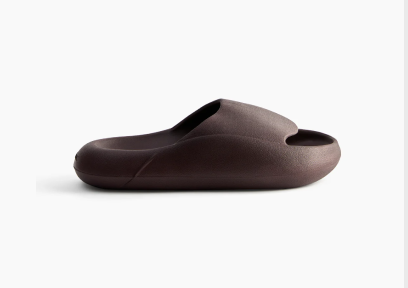
Sliders 2.0 are the only Ludic product where wide fit is built explicitly into the design wide toe box, roomy fit, single-mould EVA construction with no stitching, no rigid panels, nothing creating compressive force on the foot. The 3x softer CloudFrame cushioning means the foot settles into the footbed instead of sitting on a firm surface. ₹1,999.
One sizing note worth knowing: Ludic's own size guidance for Sliders 2.0 specifically tells wide-footed buyers to stick to their usual size; it's narrow or regular feet that should size down, not the other way around. If wide feet are the main concern and you want something for everyday wear or recovery, start here.
Shop Sliders 2.0 for a roomy fit, wide toe box, and soft cushioning made for everyday comfort.
EC Slip-On works for wider feet
An elastic collar lets the foot enter and sit without lace tension compressing the forefoot, breathable canvas gives natural give across the upper, and a sculpted insole distributes pressure evenly. Built for moderately wide feet, not extreme width. This combination tends to be more comfortable than a lace-up shoe of the same length, worth trying in your correct size rather than sizing up. ₹2,499. EC Slip-On
EC Low canvas flexibility, works for broader feet
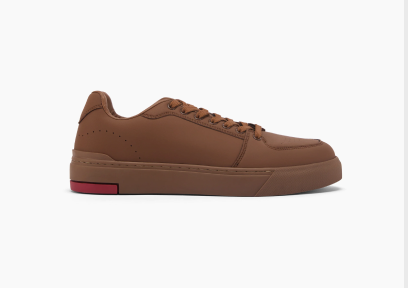
The multi-panel build canvas, suede, and leather panels with targeted cushioning gives the upper a degree of flexibility that rigid single-material shoes don't. The sculpted insole handles pressure distribution. For everyday casual wear with broader feet, it's a reasonable option in your correct size. ₹2,999. EC Low
What to Avoid When Buying Shoes for Wide Feet
- Sizing up to solve width. Adds unwanted length, creates heel slippage, and shifts the widest part of the shoe away from the widest part of your foot. Width comes from construction, not a bigger size number.
- Pointed or tapered toe boxes. They look clean standing still. After two hours of walking they're compressing your toes regardless of size. Round or square toe boxes only, for wide feet.
- Rigid upper materials. Hard synthetic panels and stiff structured leather don't adapt to foot width. Look for canvas, mesh, or flexible uppers instead.
- Slim fit, narrow, or snug labels. These indicate a narrower last built for a different foot shape entirely. The size number is irrelevant, the construction won't work.
- Buying without checking the toe box shape. Product photos usually show the side profile, not the front. When buying online, look for a product description or review that specifically mentions toe box width, or filter reviews for "fit," "toe box," or "wide feet."
These checks are useful when evaluating any footwear purchase online. Our guide on what to look for when buying sneakers explains how factors like fit, materials, and construction affect overall comfort.
Frequently Asked Questions
How do I know if I have wide feet?
The paper trace test is the most reliable at-home method to trace your foot, measure the widest point, and compare against the insole of your current shoes. Signs in daily wear: tightness across the forefoot at the correct length, pinky toe pressure against the shoe wall, and consistently better comfort when you size up despite a loose heel.
Should I size up if I have wide feet?
No. Sizing up gives you length, not width. The widest part of the shoe shifts forward of the widest part of your foot, creating a loose heel and excess toe space, a different set of fit problems. Look for a wider toe box and flexible construction in your correct size instead. For reference, Ludic's own Sliders 2.0 sizing guidance tells wide-footed buyers to stay at their regular size for exactly this reason.
What type of shoe works best for wide feet?
For everyday casual wear: canvas or mesh uppers with round or square toe boxes, slip-on designs with elastic collars, and footwear with explicitly wide toe box construction. Avoid pointed toes and rigid uppers regardless of material or price point.
Are Indian feet generally wider than standard sizing accounts for?
Yes. Research from the Central Leather Research Institute indicates Indian feet tend to be wider and lower-arched than the Western proportions most shoe lasts are built on. This is why a significant number of Indian buyers find standard-sized shoes tight across the forefoot even in the correct length the shoe's shape, not the size, is the mismatch.
Find your fit with comfortable wide foot friendly footwear designed for a roomy fit, flexible construction, and all day comfort.


