


 DS Moto
 Sliders
 The Sport Bag
 Socks - Pack of 8








Best Shoes for Daily Use in India: A Comfort Checklist for Men

Most men don't buy the wrong shoes. They buy the right shoes for the wrong day. A stiff leather sneaker that looked sharp in the store turns into a slow ache by 4 PM once it's doing office-to-metro-to-market duty five days a week. Finding the best shoes for daily use in India isn't about finding one perfect pair, it's about knowing what your feet actually need from a shoe that's on them for ten-plus hours, in weather that swings from humid to soaked to dusty within the same month.
Here's the checklist that actually matters, and how to shop against it.

What Actually Makes a Shoe Good for Daily Wear
Skip the spec-sheet jargon. Four things decide whether a shoe survives daily wear or ends up at the back of the shoe rack by week three.
Cushioning that holds up, not just cushioning that exists. A soft-feeling shoe in the store can still go flat within a month if the footbed isn't built for repeated compression. Look for insoles designed around recovery, that spring back after each step instead of packing down. This is the difference between a shoe that feels good on day one and a shoe that still feels good on day ninety.
Breathability for Indian weather. Between humidity, monsoon damp, and long stretches without AC, a shoe that traps heat becomes a shoe you stop wearing. Mesh linings, canvas uppers, and open-cell foams move air; sealed synthetic uppers don't. This matters more in India than in most climates; a shoe designed for a cooler, drier market often performs poorly through a Mumbai monsoon or a Chennai summer, even if the reviews from other markets are glowing.
A fit that doesn't need breaking in. If a shoe feels tight on day one, it stays tight. Daily-wear shoes should feel close to right from the first wear a little room at the toe, snug but not gripping at the heel. Shoes that need a "breaking in" period are usually shoes that will hurt for that entire period, and daily wear doesn't leave room for a two-week adjustment window.
Sole support that matches your day. Standing all day needs different support than a desk job with a short walk to the station. A wide, stable base with some arch structure works for most daily routines without tipping into orthopedic territory.
Everything below maps to one of these four.
The Fit Test Nobody Talks About
Most sizing complaints trace back to one habit: trying shoes on first thing in the morning, when feet are at their smallest. Feet swell slightly through the day by evening, they're closer to their "real" size. Shop or try on in the evening if you can, and if you're between sizes, size up rather than down. A shoe with a little extra room at the toe box is a shoe you can wear all day. A shoe that's tight from the first hour only gets tighter.
This matters more for daily-wear shoes than occasional ones, because you don't get to take them off between meetings. A pair you wear twice a month can get away with an imperfect fit. A pair you wear five days a week can't, small discomforts compound into real problems over months of repeated wear.
Fit becomes even more important if your feet feel restricted during long hours. If regular shoes feel tight despite having the correct length, our guide on shoes for wide feet explains what to check in terms of toe box shape, materials, and construction.
How Material Choice Holds Up Through an Indian Year
Material isn't just about looks, it's the single biggest factor in whether a shoe survives a full Indian year of heat, dust, and monsoon without falling apart.
Canvas is breathable and light, which makes it a strong choice for daily wear through most of the year, but it needs a decent tread and some water resistance built in to handle sudden downpours without soaking through in minutes. A canvas shoe with panels of suede or leather worked in tends to hold its shape better over time than pure canvas alone, since the sturdier material reinforces the high-stress points toe, heel, eyelets.
For buyers considering canvas as an everyday option, understanding fabric quality, reinforcement, and construction can help make a better choice. Read our guide on canvas shoes for men in India to compare what makes a pair durable for regular wear.
Suede reads as more refined and ages with a bit of character, but it needs more care in wet weather than canvas or mesh. It's a better fit for shoes worn on drier days, or paired with some kind of water-resistant treatment, than for someone commuting through monsoon puddles daily.
EVA foam, especially in sliders and slip-ons, is close to weatherproof. It doesn't absorb water, wipes clean, and doesn't develop odour the way fabric linings can if they stay damp. That's part of why EVA-based recovery footwear works so well as the second half of a daily rotation, even in the wettest months.
None of these materials is universally "best." The right one depends on which part of your day and which part of the year you're dressing for.
Sneakers, Slip-Ons or Sliders: What Fits Your Day
Not every day needs the same shoe. Here's how three different builds handle three different kinds of days.
Enhanced Canvas Slip-On: for grab-and-go mornings
If your mornings are a scramble and lacing up feels like one step too many, the Enhanced Canvas Slip On is built around exactly that friction point. The lace-free elastic collar gives an adaptive, secure fit without a single knot, and the canvas upper stays light and breathable through a full day of wear. A sculpted insole underneath does the actual comfort work. This isn't a shoe you tolerate, it's one you forget you're wearing by lunch. Priced at ₹2,499, it's built for the work-hours-to-loose-evening stretch where you don't want to think about your feet at all.
Slip-on footwear can be a practical choice for people who prioritise convenience without compromising comfort. Explore our guide on men's shoes without laces in India to understand different lace-free options and what to look for before buying.
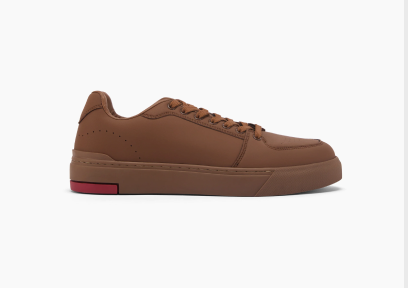
Enhanced Canvas Low: for the day that needs more structure
Some days call for a shoe that can go from a work desk to a gym bag to a friend's place without looking out of place. The Enhanced Canvas Low is built on Ludic's canvas fabric with suede and leather panels layered in, plus extra padding across the touchpoints that usually wear thin first. The sculpted insole and added structure mean it holds up to a longer, more varied day than a pure slip-on. It's priced at ₹2,999 and comes with an extra pair of laces, so you can switch up the look without switching the shoe.
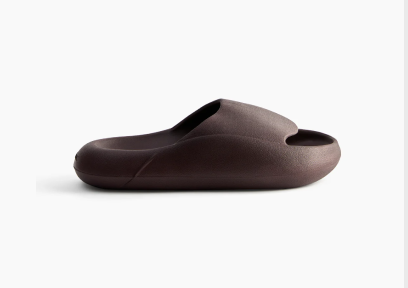
Sliders 2.0: for after-hours and recovery
Daily wear doesn't stop when you get home and the shoe your feet actually need after 10 hours in closed footwear is often not another closed shoe. [Sliders 2.0] runs on Ludic's CloudFrame™ material paired with a recovery EVA footbed, built specifically for the post-hustle stretch of the day. The wide, relaxed toe box is shaped for Indian foot anatomy rather than a generic last, and the whole thing is priced at ₹1,999. It's not a replacement for your daily shoe, it's what your feet get to recover in once the daily shoe comes off.
Give your feet the comfort they deserve after a long day. Explore Ludic Sliders 2.0 and step into soft, supportive recovery with every wear.
How to Break the Rotation Habit
One shoe worn every single day wears out faster than two shoes worn on alternating days, the foam doesn't get time to decompress between wears, and the upper doesn't get time to dry out fully, especially in humid stretches. If you're serious about making daily-wear shoes last, having a second pair to rotate into, even just a slip-on for short errands and something sturdier for the full day extends the life of both.
This is also where sliders earn their keep: they're not really competing with your sneakers, they're covering the hours your sneakers shouldn't have to. A simple two-pair rotation, one structured shoe for the working day, one slider for evenings and weekends at home covers almost everyone's daily needs without requiring a packed shoe rack.
What to Avoid When Buying Daily-Wear Shoes
Getting this part right is often what separates the best shoes for daily use from a pair you're done with in three months. A few habits quietly ruin an otherwise good shoe-buying decision.
Don't buy the store lighting. Shoes look and feel different under bright retail lighting after ten minutes than they do after ten hours of actual wear. If a shoe feels only "okay" in the store, it will likely feel worse by evening. Daily-wear shoes need to feel good immediately, not eventually.
Don't ignore the toe box for the sake of a sleeker silhouette. A narrow toe box might look sharper in photos, but it's one of the fastest ways to turn a daily-wear shoe into an occasional one. Cramped toes lead to blisters and calluses well before the sole wears out.
Don't skip checking the return or exchange window. Fit issues sometimes only show up after a full day of wear, not a five-minute store try-on. A brand offering easy exchanges within the first week is worth factoring into the decision, especially when buying online.
Don't assume one pair can do everything. The single biggest mistake in daily-wear shoe shopping is expecting one shoe to handle the commute, the workday, and the evening. Splitting that load across two shoes one structured, one recovery-focused is what actually makes "daily wear" sustainable.
Frequently Asked Questions
How often should daily-wear shoes be replaced?
Most daily-wear shoes hold up for around 12 months of regular use before the cushioning noticeably breaks down, though this depends on how often you rotate between pairs and how they're stored.
Are lightweight shoes actually better for daily use?
Generally, lighter builds reduce fatigue over a full day, especially if your routine involves walking, standing, or commuting rather than sitting at a desk all day.
Can slip-on sneakers work for office wear in India?
Clean, well-constructed slip-ons like the Enhanced Canvas Slip-On work fine for most modern Indian offices, particularly ones with a casual-to-smart-casual dress code. Save the more structured low-tops for days that need a sharper look.
Do sliders count as daily wear or just weekend shoes?
Sliders aren't meant to replace your main daily shoe for outdoor wear, but they're an essential part of a daily rotation ideal for after-work recovery, quick errands close to home, and anywhere you need your feet to genuinely rest.
Is canvas or leather better for daily use in India?
Canvas generally handles India's heat and humidity better thanks to breathability, while leather and suede need more care in wet conditions. A hybrid build with canvas plus suede or leather panels often balances comfort with structure better than either material alone.
What should I prioritize if I'm buying just one pair right now?
Cushioning and fit, in that order. A shoe that looks right but pinches or goes flat within weeks isn't actually solving your daily-wear problem, it's just delaying the next purchase.
Find your size and explore Ludic's collection of everyday shoes and sliders designed for lasting comfort, support, and effortless daily wear.


