



 DS Moto
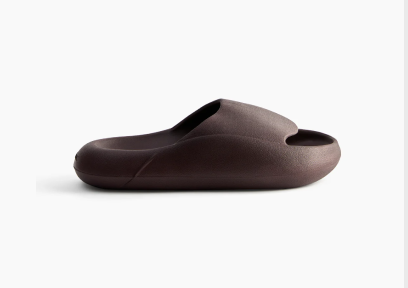
 Sliders
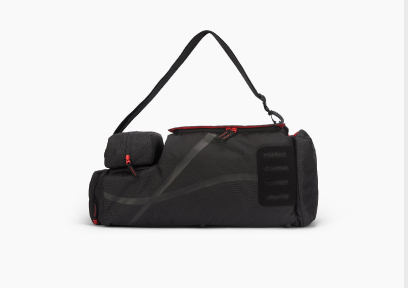
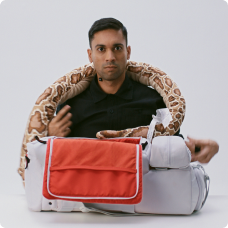 The Sport Bag
 Socks - Pack of 8





5 Things to Look For When Buying Sneakers : A Guide for Indian Men

Most sneaker buying decisions in India are made on two things: how the shoe looks and what the price tag says. Both matter but they're not the full picture. Knowing what to look for when buying sneakers means understanding what the shoe is actually built from, how it fits Indian feet, and whether it'll hold up six months from now.
This guide covers five specific things to check before buying any pair of sneakers in India whether you're buying online or in-store. At the end, what to avoid, and a few common questions that come up when Indian men are deciding between pairs.
This guide is written from the perspective that is specifically for Indian conditions Indian heat, Indian foot anatomy, Indian daily wear. The criteria apply to any sneaker purchase.
1. Upper Material What Your Feet Actually Need in India
The upper is everything the eye sees first and the part most men evaluate only on looks. In Indian conditions, material choice has direct consequences that show up within weeks of buying.
Canvas is breathable, lightweight, and performs well in Indian heat. It absorbs sweat rather than repelling it, which means it needs more frequent cleaning but your feet stay cooler. A canvas sneaker in summer is significantly more comfortable than a synthetic one. The Ludic EC Low uses a canvas and vegan leather panel construction specifically because canvas breathes while the vegan leather panels add structure and weather resilience that pure canvas alone doesn't have.
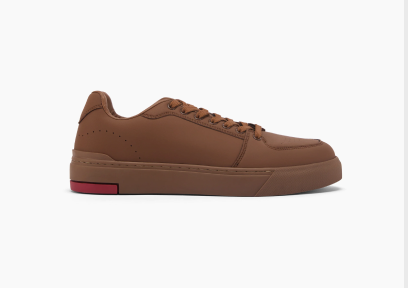
Mesh is the most breathable upper material available in sneakers. It's the right choice for anyone walking long distances in Indian heat commutes, city exploring, long work days. The DS Moto uses a mesh lining as its internal layer, combined with a PU suede exterior, to keep the interior cool despite the structured outer.
PU suede offers a premium look and is more durable and maintenance-friendly than natural suede, important in a country where dust, pollution, and occasional rain are unavoidable daily realities. It doesn't absorb water the way natural suede does and wipes clean with a damp cloth. For a formal-adjacent casual sneaker, it reads well without the high maintenance of real suede.
What to avoid in Indian conditions: Solid synthetic leather uppers with no perforation or mesh. They look fine in product photos but don't breathe, trap heat and moisture, and make your feet uncomfortable within an hour outdoors.
2. Footbed Quality The Detail Most Men Ignore
Pull out the insole of any sneaker before buying it. What you find tells you more about the shoe's real quality than the price tag does.
A flat, thin foam insole the kind that comes in most mass-market sneakers compresses to near nothing within two to three months of daily use. Once compressed, it provides almost no cushioning and no arch support. You're essentially walking on the midsole.
A sculpted or contoured insole is a different category. It has raised arch support, a heel cup that positions the foot correctly, and foam density that doesn't compress instantly. The difference becomes obvious not on the day you buy the sneaker, but around month three one shoe still feels supportive, the other feels like a flat board.
The Ludic EC Low has a sculpted insole as a core design decision, not an afterthought. For a shoe designed around daily Indian wear, long commutes, hard concrete floors, extended outdoor use the footbed is where the wear-and-tear shows up first.
The test: Press your thumb firmly into the insole of any sneaker you're considering buying. If it bottoms out immediately with almost no resistance, it will compress completely within months. You want moderate resistance soft enough to cushion, firm enough to support.
If a sneaker has a flat foam insole you like the look of, factor in the cost of a third-party replacement insole (₹300–₹800 depending on quality) into the actual price of the shoe.
3. Sole Construction Weight, Grip, and Durability
The sole is where the sneaker meets the ground and for Indian daily wear, this means everything from monsoon-wet pavements to marble office floors to cracked footpaths.
- Weight. A heavy sole compounds across a full day of walking. EVA (Ethylene Vinyl Acetate) soles are the lightest and most shock-absorbent material for everyday sneakers significantly lighter than rubber without sacrificing cushioning. The DS Moto uses a proprietary low-profile rubber outsole specifically engineered for a planted, lightweight feel rather than the chunky build of conventional sports soles.
- Grip pattern. A flat smooth outsole looks clean and works fine on dry surfaces. The moment you hit a wet marble floor, a monsoon puddle, or a polished corridor, it becomes dangerous. Check the outsole pattern before buying if you want a design with grooves or lugs that channel water away from the surface contact point.
- Sole bonding. For glued soles where the upper is bonded to the outsole with adhesive check the seam line around the perimeter of the shoe. If you can see any gap between the upper and sole even before wearing, the bonding is already compromised. Indian heat and humidity accelerate sole separation on poorly bonded shoes.
- Outsole thickness. For casual sneakers, a moderate sole thickness (12–18mm) is optimal. Thinner than 10mm and the shoe won't last. Thicker than 20mm and it becomes a chunky lifestyle shoe fine aesthetically, but heavier and less versatile for everyday Indian wear.
4. Fit for Indian Feet Why Size Alone Isn't Enough
This is the most India-specific criterion on this list, and the most consistently underestimated.
Indian feet generally run wider through the forefoot than the lasts (foot-shaped moulds) that most international brands design around. A US size 9 in Nike may fit your length perfectly but compress your toes if your forefoot is wider than the Western average. Most men blame the size rather than the last shape and keep buying the same size in different shoes wondering why the fit never feels quite right.
What to check:
- Toe box width. With your foot inside the shoe, your toes should be able to splay naturally without pressing against the sides. If your pinky toe is touching the lateral wall, the last is too narrow, sizing up won't fix a narrow toe box, it just makes the shoe too long.
- Heel lockdown. There should be no slipping at the heel when you walk. A heel that slips causes blisters and instability. This is especially important for slip-on sneaker styles.
- Thumb's width at the toe. There should be roughly a thumb's width of space between your longest toe and the front of the shoe. Feet swell during the day a shoe that fits perfectly in the morning may feel tight by evening.
-
Midfoot. The widest part of your foot should align with the widest part of the shoe's upper. If the shoe widens beyond your foot in the midfoot, the fit is too wide and won't provide proper support.
When buying online, always check the brand's specific size chart in centimetres rather than relying on your standard size. Size varies between brands even between Nike and Adidas, the same numbered size can feel different. Brands that design specifically around Indian foot anatomy (wider forefoot, moderate arch) will generally fit more naturally without adjustment.
5. Design Versatility One Sneaker, Multiple Outfits
A casual sneaker in the ₹2,500–₹5,000 range is an investment that should work across multiple contexts, not a dedicated outfit-specific pair. Before buying, mentally test the shoe against at least three different outfits you actually wear.
Low-profile silhouette. A low-profile sneaker (sole height under 3cm) reads as casual and pairs cleanly with everything from slim trousers to joggers to shorts. A chunky sneaker with a thick outsole is a style choice that limits outfit compatibility; it works with wider-fit clothing and streetwear aesthetics but looks wrong with slim-cut casual wear.
Colourway. Neutral colourways black, white, off-white, grey, earth tones pair with the widest range of outfits. The DS Moto in Tarmac Black and the EC Low in Triple Black or Magma Grey are designed around this principle; the shoe doesn't fight the outfit. Coloured pairs (JDM Orange, Lemans Green) are deliberate choices that anchor the entire look buy these when you want the footwear to be the statement, not the outfit.
Minimal branding. Heavy external branding, large logos, text across the upper limits versatility and dates faster than clean design. A minimally branded sneaker is inherently more timeless and outfits more easily.
Occasion range. Ask honestly: can this sneaker work for a casual office day, a weekend outing, and an evening out without looking obviously out of place at any of them? If the honest answer is no at any of these, it's a specialist sneaker useful if that's what you need, but not a versatile everyday buy.
What to Avoid When Buying Sneakers
Buying on brand recognition alone. The logo is not the shoe. Most major brands have models in every price range, some are well-constructed, some are margin products that trade on the name. Evaluate the specific model, not the brand.
Sizing by habit. Your standard shoe size may not apply across brands. Always check the specific brand's size chart before buying online.
Ignoring the return policy. Sneakers bought online need to be tried, walked in, and assessed on real surfaces not just standing still on carpet. If the return window is 7 days or less, that's not enough time to genuinely assess fit and comfort. Buy from brands and platforms with at least a 14–30 day return window.
Buying for trend, not for use. The sneaker that looks best in a photo may be the worst shoe for your actual daily context. Assess it for where you'll actually wear it, not where you'd like to imagine wearing it.
Not checking the insole. As covered in criterion 2 a flat foam insole is a red flag. Take 10 seconds to pull it out before buying.
FAQ
How do I know if a sneaker fits correctly?
Your heel should be locked in with no slipping. Your toes should be able to splay naturally without touching the side walls. There should be a thumb's width of space between your longest toe and the front of the shoe. The widest part of your foot should align with the widest part of the upper. If any of these four conditions aren't met, the fit is wrong and no break-in period will fix a fundamentally incorrect fit.
Is it better to buy sneakers online or in-store in India?
Both work if you follow the right process. In-store lets you try the shoe and assess fit immediately. Online offers more options, better prices, and easier comparison. If buying online, always check the size chart in centimetres rather than relying on your standard size, and only buy from brands with a genuine return and exchange policy. Read reviews specifically tagged with "fit," "narrow," or "wide" from Indian buyers these are more useful than star ratings alone.
What is a good budget for everyday casual sneakers in India?
The ₹2,500–₹5,000 bracket represents the best value-to-construction ratio in the Indian market. Below ₹2,500, compromises start appearing in the insole quality and upper material. Above ₹5,000, you're increasingly paying for brand positioning and design rather than proportional improvements in construction. The sweet spot for A daily-wear sneaker that lasts 12–18 months of regular use is ₹2,500–₹4,000.
How long should a quality sneaker last with daily use?
A well-constructed sneaker used daily five days a week, typical Indian conditions should last 12–18 months before the sole and footbed show significant wear. Signs it's time to replace: the footbed no longer springs back when pressed, the outsole is worn smooth in the heel strike zone, or the upper shows structural deformation. Rotating between two pairs extends both pairs significantly; each gets rest and dries fully between uses.
Shop DS Moto Sneakers – Step into comfort, style, and performance designed for everyday movement and urban lifestyle.


