



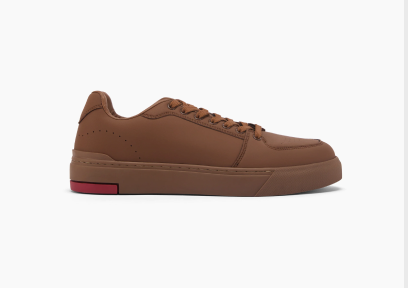
 DS Moto
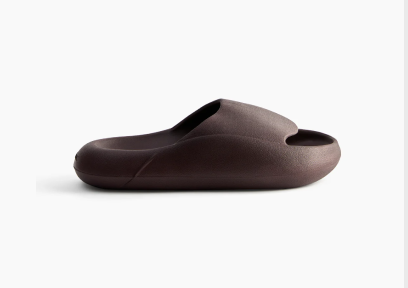
 Sliders
 The Sport Bag
 Socks - Pack of 8





How to Clean Suede Shoes and Sneakers: The Right Method Depends on Your Suede

Knowing how to clean suede shoes starts with one question most guides skip entirely: which type of suede are you actually dealing with? The answer changes everything. The method that works on real suede can permanently damage PU suede. The method that's safe for PU suede doesn't go far enough on the real thing. Get it wrong and you set the stain deeper, flatten the nap, or strip the surface finish.
This guide covers both. How to tell them apart, the exact steps for each, the most common stains and how to handle them, and a clear list of what not to do because with suede, the mistakes are harder to reverse than the original stain.
No specialist kit required. Everything you need is likely already at home.
Real Suede or PU Suede Check Before You Touch It
Real suede is made from the underside of animal hide, typically calf or lamb. The surface has a soft, napped texture that absorbs moisture easily, which is why it stains quickly and why water carelessly applied can leave permanent marks. Cleaning real suede means starting dry and introducing any moisture with care and intention.
PU suede, also called faux suede, synthetic suede, or micro suede is a polyurethane-coated fabric engineered to look and feel like the real thing. The surface texture is similar, but the material beneath it is fundamentally different. PU suede resists moisture significantly better, handles a damp cloth without risk of permanent marking, and is what most modern casual sneakers use. The DS Moto uses a PU suede upper, which is why knowing how to clean suede shoes made from this material correctly matters for anyone who owns a pair.
Three ways to identify which you have:
Product description. Real suede is almost always called out explicitly; it costs more and brands want credit for it. If the listing says "PU suede," "faux suede," "synthetic suede," or says nothing specific about suede at all, assume it's synthetic.
Water drop test. Apply one small drop of water to a hidden area inner heel or tongue edge. Real suede darkens noticeably and may leave a ring. PU suede barely reacts; the water beads or absorbs with no visible colour change.
Price and context. Most everyday sneakers under ₹7,000 use PU or synthetic suede. Real suede commands a premium and is typically found in dress shoes and high-end heritage sneakers, not casual daily footwear.
How to Clean PU Suede Sneakers: Step by Step
PU suede is more forgiving, but still has rules. The key difference from cleaning real suede: moisture is your ally here, not a risk.
What you need: A soft-bristled brush or old toothbrush, mild soap (dish soap or hand wash), a damp cloth or sponge, and a dry cloth.
Brush off loose dirt. Same starting point as real suede removes surface debris before introducing any moisture.
Wipe down with a damp cloth. Unlike cleaning real suede shoes, PU suede handles a wet cloth without risk. Dampen with plain water and wipe the surface. For light everyday dirt, this is often all that's needed.
Use mild soap for tougher marks. Add a small drop of dish soap to the damp cloth. Rub gently over the stain in small circles. The synthetic coating means the soap stays on the surface rather than being absorbed.
Remove soap with a clean damp cloth. Don't leave residue; it builds up over time and dulls the finish.
Air dry at room temperature. Away from direct sunlight, radiators, and fans on high. Slow, even drying stops the surface from stiffening.
Brush lightly once dry. Restore the texture by brushing gently in one direction after the shoe has dried fully.
The DS Moto's PU suede upper is built to handle regular wear and regular care. This process is light clean when needed, brushing between wears is the routine that keeps it looking sharp. When people ask how to clean suede shoes like the DS Moto, this is the answer: damp cloth, mild soap, air dry. No drama.
Keep your sneakers looking fresh with minimal effort. Explore the DS Moto collection built for everyday wear and easy care.
How to Clean Real Suede Shoes at Home: Step by Step
Real suede is the more demanding of the two. The goal is to remove dirt with as little moisture as possible. Everything starts dry.
What you need: A soft-bristled brush (an old toothbrush works), a firm pencil eraser with no graphite residue, white vinegar, and a clean dry cloth.
Let them dry first. If the shoe is wet or muddy, do nothing until it has dried completely overnight if needed. Attempting to clean wet suede drags stains further into the nap.
Brush off surface dirt. Use the brush in one direction, following the grain of the nap. Directional, light strokes lift loose dirt without compressing the fibres. This step alone handles most day-to-day grime.
Work scuffs with the eraser. Rub back and forth over the mark with light-to-medium pressure. The friction lifts surface stains without introducing moisture. For stubborn marks, increase pressure gradually but carefully. Real suede fibres can flatten permanently under too much force.
Treat stains with white vinegar. Barely dampen a cloth corner with white vinegar not soaked, just damp. Blot the stain working from the outside inward. Particularly effective on water marks and salt stains from sweat or rain. Let the shoe air dry fully before the next step.
Re-brush after drying. Once completely dry, brush the surface again in one direction to restore the nap and the soft texture that cleaning temporarily compresses.
Apply a protector spray. A water and stain repellent applied after cleaning builds a barrier that reduces how often you need to go through this process. Worth doing every time.
Handling Specific Stains on Suede
Mud: Never touch wet mud. Let it dry to a solid crust, then break off what you can before brushing. Treat remaining marks with an eraser on real suede, or a damp cloth on PU suede.
Oil or grease: Cover the stain immediately with baking soda or cornstarch and leave it for at least 6 hours overnight if possible. The powder draws out the oil. Brush off gently, then repeat if the mark remains. Works on both types and is most effective when you act quickly.
Water marks on real suede: The counterintuitive fix is more water, applied evenly. Lightly dampen the entire upper with a barely damp cloth not just the affected spot then let it dry uniformly. This removes the ring by making the whole surface dry at the same rate.
Ink: Dab never rub with a cloth barely damp in white vinegar or rubbing alcohol. Work from the outer edge of the mark inward to prevent spreading. More reliable on PU suede; on real suede, ink can penetrate the fibres deeply.
Scuff marks: An eraser handles most scuffs on both types. A firm pencil eraser works on PU suede; a dedicated suede eraser gives better results on real suede where the surface is more delicate.
What to Avoid When Cleaning Suede Shoes
This doesn't matter as much as the steps. Suede real or PU is more unforgiving of the wrong move than most other shoe materials.
Don't clean when wet. Cleaning damp suede spreads stains and compresses the nap in ways that are difficult or impossible to reverse. Always wait for the material to dry completely first.
Don't scrub in circles on real suede. Circular scrubbing flattens the nap permanently. Always brush in one direction, following the grain of the material.
Don't apply water directly to real suede stains. Spot-treating with water creates a ring that's often worse than the original stain. If moisture is needed, dampen the entire surface evenly so it dries without visible waterlines.
Don't use heat to dry. Hair dryers, radiators, and direct sunlight all dry suede too fast and unevenly, which causes the material to stiffen, crack, or warp. Always air dry at room temperature.
Don't use regular shoe polish or leather conditioner. These products are formulated for smooth leather, not suede. Applying them to suede real or PU can permanently darken the material and mat the nap flat.
Don't machine wash. Neither real suede nor PU suede survives a washing machine. The agitation, heat, and water saturation destroy the surface texture and the shoe's structural shape.
Keeping Suede in Good Condition Between Cleans
The best cleaning routine is the one you rarely need. Consistent small habits keep suede shoes in good shape without much effort.
Protector spray before first wear. Both real and PU suede benefit from a water and stain repellent applied before the shoe ever sees the outside. Reapply every few weeks for regular wearers.
Brush after every few wears. Two minutes with a soft brush prevents surface dirt from building up and keeps the nap lifted. Far easier than dealing with set-in grime.
Avoid suede on monsoon days. PU suede handles light moisture better than real suede, but neither is waterproof. Indian monsoon roads are particularly hard on the material save these shoes for dry days.
Store with shape. Stuff shoes with crumpled newspaper or a shoe tree when not wearing. This maintains the toe shape and prevents creasing at the flex point.
Rotate pairs. Daily wear on the same pair doesn't give the material time to recover. A second pair in rotation extends the life of both.
Browse the full footwear range
Frequently Asked Questions
Can you use water to clean suede shoes?
It depends on the type. On real suede, applying water directly can cause permanent marks; use it only as part of a deliberate cleaning process, barely dampening a cloth rather than wetting the surface. On PU suede (synthetic), a damp cloth is the recommended method for most cleaning. No risk of permanent marking.
What household items can I use to clean suede shoes at home?
For real suede: a pencil eraser for scuffs, an old toothbrush for brushing, white vinegar for stains, baking soda or cornstarch for oil. For PU suede: a damp cloth and a drop of dish soap cover most situations. No specialist products needed for regular maintenance.
How do I know if my sneakers are real or PU suede?
Check the product description real suede is called out explicitly because it costs more. If the listing says PU suede, faux suede, or synthetic suede, it's synthetic. You can also do a water drop test on a hidden spot: real suede darkens immediately; PU suede barely reacts.
How often should you clean suede shoes?
Light brushing after every few wears keeps the surface clean without needing a full clean. A proper clean when visibly dirty or stained every 4 to 6 weeks for regular wearers. A protector spray applied every few weeks reduces how often a full clean is necessary.
Step into effortless style and everyday comfort with DS Moto. Explore the collection and find your next go to pair today.


