


 DS Moto
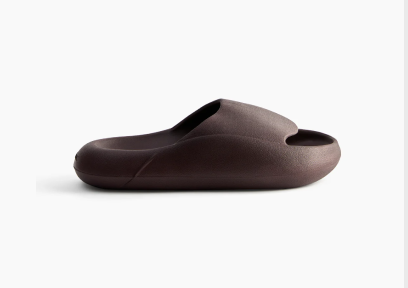
 Sliders
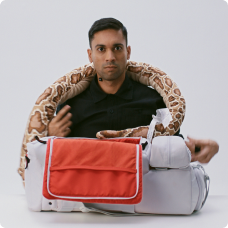 The Sport Bag
 Socks - Pack of 8








Why Circular Fashion is the Future: Lessons from the Re-Worked Collection

The global apparel narrative faces a reckoning. A study says that $500 billion is wasted annually due to underwearing and the failure to recycle clothes.
For decades, the industry relied on a “take-make-waste” model. This linear approach extracts resources, transforms them into garments, and eventually discards them—frequently after a limited lifespan. While this system fueled rapid trend cycles and volume, it also creates an ecological deficit.
The antidote is the circular fashion system. It represents a move away from disposability toward a model where waste is designed out, and materials stay in use. But for the style-conscious individual, one question remains: What does this shift look like in your wardrobe?
What is Circular Fashion?
At its core, the circular fashion definition is a regenerative system in which garments circulate for as long as possible, then return to the biosphere or economy safely when they can no longer function. It opposes the linear model’s inherent wastefulness.
To grasp the circular fashion meaning fully, one must view clothing as a durable asset.
It involves three key pillars: designing for longevity, keeping products in use (through repair, resale, or upcycling), and regenerating natural systems.
Circularity in fashion requires a complete rethink of ownership and material value. It challenges brands to take responsibility for the end-of-life phase of their products. It challenges consumers to value construction over consumption.
When a brand adopts this ethos, they stop viewing fabric scraps as trash and views them as raw material for the next innovation.
The Architecture of Circular Design
True circularity begins on the drawing board. Circular fashion design dictates that a product must be created with its next life in mind. This stage determines a garment's fate.
If a designer mixes complex synthetics that cannot be separated, that item is destined for a landfill. Conversely, using mono-materials or high-quality natural fibres allows for easier recycling and repurposing.
In the circular fashion industry, durability acts as the first line of defence against waste. A garment constructed from robust materials withstands the rigours of daily wear, extending its lifespan.
However, when that lifespan concludes, the design must allow for transformation. This is where upcycling comes into play.
LUDIC’s Re-Worked Bundle: A Case Study
Theory is necessary, but practical application drives change.
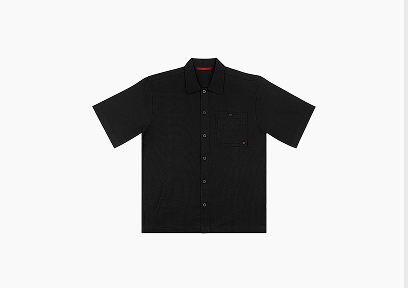
Examining LUDIC’s Re-Worked Bundle is a tangible look at how brands can close the loop. The bundle exemplifies the potential of upcycling by repurposing the 240 GSM cotton canvas from the Circuit Shirt, as you might already know.
Instead of discarding offcuts or surplus inventory, LUDIC transforms these textiles into functional accessories.
It all highlights a critical lesson: waste is often a failure of imagination. By deconstructing the Circuit Shirt, new forms emerge.
- The Duffle Bag: Utilising the front panels of the shirt, this piece reimagines the standard carrier. It stands apart from standard types of sports bags by integrating the shirt’s pockets and structure into a crossbody format.
- The Dopp Kit: Constructed from the back panel and collar, the kit serves as a travel organiser. It demonstrates how larger fabric sections can find utility as protective storage for electronics or toiletries.
- The Bucket Hat: The shirt’s yoke finds a new purpose here. This universal-fit accessory proves that even specific structural components of a garment can transition into entirely new categories like headwear.
- The Coin Pouch: Crafted from the sleeves, this compact item ensures no fabric goes unutilised, featuring a carabiner for easy attachment.
These pieces, available in Black, Grey, and White, are lightweight and washable.
And together, they showcase how LUDIC Accessories take from existing resources to create value.
The Role of Circular Fashion Brands
The scene of upcycled fashion now has many circular fashion brands and circular fashion companies that refuse to accept the status quo. Why? Simply, they know that the future of style depends on resourcefulness.
Circular fashion examples range from buy-back programs and rental services to collections like the re-worked bundle that utilise pre-consumer or post-consumer waste.
For the consumer, supporting these initiatives reveals a demand for accountability. It indicates a preference for products that tell a story of preservation.
When you purchase items created through circular principles, you vote for a system that values labour and resources.
Why Circularity is the Future
The transition to a circular fashion system is inevitable. Regulatory pressure regarding textile waste is mounting globally, and consumer awareness is at an all-time high. The linear model is becoming a reputational and financial liability.
Furthermore, circularity sparks creativity. Constraints breed innovation. When designers cannot rely on cheap, virgin synthetics, they must engineer solutions using what already exists. This results in products that possess character and history, qualities that mass-produced fast fashion lacks.
Hence, the future of fashion is not about buying zero items; it is about buying smarter. It is about recognising the potential in a shirt to become a bag, or a bottle to become a shoe. It involves engaging with brands that see the possibility in every thread.
The Consumer's Power
As we learn about this transition, what you choose matters. Among the upcycled fashion in India, opting for LUDIC’s Re-Worked Bundle keeps materials out of landfills. It supports a supply chain that prioritises ingenuity.
Embracing circularity opens access to limited-run, creative pieces that define a modern aesthetic. The Re-Worked collection proves that responsible design can sit comfortably alongside trends.
Fashion has always been a reflection of the times. Today, the most stylish statement one can make is a commitment to the planet.
Ludic Two's Day Sale— Two Products in the Spotlight
Ready to invest in better design? Don’t miss LUDIC’s Twos Day Sale. Enjoy free shipping across India and 7-day easy returns. Bundle offers arrive every Tuesday at 11 AM. No teasers. No hints. Two LUDIC products take the spotlight.
Explore more
How the shirt panesl become accessories
FAQs
How does circular fashion reduce textile waste?
Circular fashion keeps materials in use longer through upcycling and recycling. It prevents garments from entering landfills and reduces the need for virgin resource extraction. All this significantly lowers the industry's carbon footprint.
Are upcycled fashion products durable?
Yes. Upcycled items often utilise high-quality, pre-existing fabrics. Many such re-worked collections use robust materials, such as 240 GSM canvas.
What materials comprise the LUDIC Re-Worked Bundle?
The collection is crafted entirely from upcycled panels of LUDIC’s Circuit Shirt, specifically using premium 240 GSM cotton canvas. Hence, it is a lightweight yet sturdy construction suitable for daily travel and wear.
How do I care for LUDIC upcycled accessories?
LUDIC’s upcycled accessories are designed for easy maintenance. Machine wash them on a gentle cycle using mild detergent. Avoid bleach to preserve the fabric integrity and colour of the upcycled canvas.


