


 DS Moto
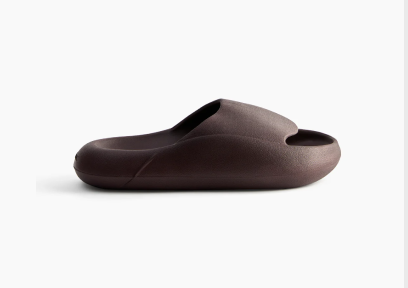
 Sliders
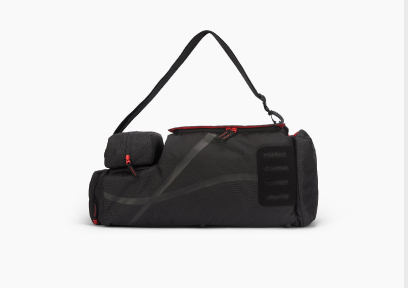
 The Sport Bag
 Socks - Pack of 8








How Motorsport Inspires Everyday Sneaker Design

Speed leaves a mark on everything it touches. You sense it in the hum of engines, the sharp scent of fuel, and the precision of gear shifts. Yet the real intrigue begins when that world of control and engineering quietly shapes what you lace up each morning.
Motorsport has a way of slipping into your daily rotation without raising its voice. And once you start noticing it, you can’t unsee the influence.
Motorsport footwear was never born for street appeal; it was engineered for survival, grip, pedal feel, and sensory connection. You can still feel that lineage when you look closely at today’s motorsport sneakers— pieces of lifestyle design that echo race-day intent while staying grounded in everyday wear.
So how did racing pits turn into design labs for your casual wardrobe?
Engineering Before Aesthetics
In the early sixties, designers were obsessed with control. Pedal feedback could determine split-second choices, so footwear needed to feel almost invisible. A thin outsole gave drivers clearer input from the machine. A wrapped heel prevented abrasion. Lace-free constructions removed the risk of snags.
Meanwhile, heat was an enemy. You know what fire-resistant fibres like Nomex did for the sport: they turned protective wear into performance gear. As safety standards climbed, materials became lighter, quicker to respond, and far kinder to hardworking feet.
Those principles didn’t stay trackside. They drifted into everyday footwear, influencing the way your sneakers breathe, flex, and distribute pressure.
The crossover wasn’t forced; it happened because racing solved problems that everyday wear happened to share.
The Shift Into Lifestyle Footwear
Once motorsport uniforms were recognised as feats of engineering, brands started translating that thinking into accessible designs. Low-profile silhouettes appeared in streetwear long before chunky soles took over your feed.
Wrapped heels resurfaced in casual designs meant for daily manoeuvres—walking, cycling, driving across the city.
You might not be wearing motorsport sneakers and shoes intended for podium finishes, yet their DNA whispers similar priorities: precision, responsiveness, and a sense of grounded movement.
The line between race gear and lifestyle footwear blurred, not through nostalgia but through meticulous, functional borrowing.
Today’s racing-inspired sneaker design speaks in subtle cues. A tapered toe box feels quicker. Contoured side panels hint at aerodynamics. Even colourways—think bright track oranges, deep greens, moody asphalt blues—carry the charisma of pit lanes and dusk races.
Design Elements You Probably Recognise
Look closely at your rotation. You may already see motorsport fingerprints on pieces you hadn't considered.
- Low-thickness soles that tune you into the ground.
- Rounded heels that glide during driving pivots.
- Compact silhouettes shaped for efficiency.
- Panelling patterns that resemble bodywork seams.
- Carbon-textured trims signalling motion.
- Lace covers that tidy up the forefoot for cleaner lines.
These cues aren’t decoration. They originate from solving real problems in high-pressure environments, then sliding gently into streetwear vocabulary.
Why Your Daily Sneakers Carry Racing Logic
Sneakers for daily use demand something similar to race conditions: comfort, flexibility, and controlled footing. Long commutes can be as punishing as laps on a warm track (emotionally, at least). That’s where the motorsport influence on sneakers becomes unmistakable.
Racing principles show up because they answer universal needs:
- stable footing
- unrestricted movement
- breathable materials
- protective construction
- intuitive ergonomics
When you step into motorsport fashion sneakers, you’re stepping into decades of engineering thought.
The Aesthetic Shift: Motion, Even at Rest
There’s something almost poetic about footwear that looks fast while standing still. Motorsport aesthetics in footwear pull from the minimalist sleekness of car bodies and the strategic placement of vents, spoilers, and trim lines. Those cues weren’t conceived to be decorative; they existed to reduce drag and channel airflow.
Transferred into casual footwear, they reshape perception. You feel more dynamic, more aware of your stance and stride. The look resonates with fashion enthusiasts who crave pieces with intention—not loud branding, but design language rooted in craft.
Some designers highlight signature race tracks in the outsole, creating a small tribute to motorsport culture underfoot. Others employ reflective hits for visibility.
When Craft Meets Culture
A fascinating shift happens when racing heritage interweaves with modern craftsmanship. Consider a lifestyle sneaker built around driving ergonomics: a low-slung outsole, rounded heel, and a thin profile that brings your foot closer to pedals.
Add premium suede able to patina with time, a covered lacing system maintaining a tidy upper, and you have footwear that honours engineering without losing its human warmth.
Certain colour palettes indicate cultural nods without leaning into fandom merchandise, e.g., greens reminiscent of vintage touring liveries, bright JDM-inspired oranges, alpine blues carrying cold-air crispness, or smooth tarmac blacks.
Designers calling upon those cues produce motorsport-inspired sneakers that feel intentional rather than costume-like.
Everyday Utility, Born From the Track
Technical thinking shapes comfort more than you might realise. Consider the importance of shoes in foot health— pods of pressure relief, firm midfoot support, responsive cushioning, and thoughtful heel geometry. Racing already explored those ideas decades earlier to preserve drivers during long stints.
Seasonal footwear care knowledge also grows from motorsport. Materials used trackside had to survive heat, grime, and rapid shifts in weather, so maintenance practices naturally informed how you care for suede, synthetics, and lightweight fabrics today.
Motorsport Principles vs Sneakers
Here’s a quick visual rundown that bridges racing requirements with everyday sneaker benefits.
| Racing Requirement | Resulting Design Cue | Everyday Outcome |
|---|---|---|
| Pedal sensitivity | Thin, flexible soles | Better ground feel and responsive steps |
| Heel control | Rounded or reinforced heel | Smoother driving and steadier landings |
| Heat management | Technical materials | Improved breathability and durability |
| Clean movement | Covered lacing | Streamlined wear with fewer snags |
| Precision fit | Snug, ergonomic shape | Secure comfort during long days |
Why Your Attraction to Racing-Inspired Design Makes Sense
Maybe you crave pieces that feel engineered rather than decorated. Or you appreciate subtle references to cultures built on discipline and speed. The allure of motorsport shoes and their modern counterparts lies in refinement.
When you wear something grounded in racing methodology, you’re not signalling fandom. You’re engaging with design that respects movement, control, and sensory connection. That’s a powerful shift away from trend-chasing.
And who doesn’t enjoy footwear that ages well? Premium suede developing a patina carries the same spirit as burnished metal panels on well-driven machines.
What to Look For
If you’re exploring sneakers shaped by racing heritage, you’ll want to pay attention to elements that genuinely affect your experience rather than adding aesthetic noise.
- A low-profile outsole that keeps movement grounded.
- Heel curvature supporting driving and walking transitions.
- Material quality that improves with wear.
- Technical cues that streamline function rather than decorate.
- Stable, ergonomic fit for long sessions on your feet.
Why Motorsport Shapes Your Wardrobe
Fashion pulls inspiration from places charged with intensity. Motorsport has a rare combination: adrenaline backed by research. Footwear designers borrow from it because the logic works.
You benefit because those choices create sneakers that feel reassuring, responsive, and expressive without shouting.
The world of motorsport sneakers design keeps evolving, blending cultural identity with engineering cleverness. Whether you gravitate toward bold, racing-inspired colourways or understated silhouettes with subtle track cues, you’re participating in a design conversation decades in the making.
Explore - Top motorsport sneaker brands in India
FAQs
Are motorsport sneakers good for walking all day?
While original racing shoes have thin soles for pedal feel, modern motorsport-inspired lifestyle sneakers add EVA or foam cushioning. This hybrid design provides the sleek racing aesthetic while offering the arch support and shock absorption needed for all-day walking.
What is the best material for driving shoes?
Suede and leather are preferred for their flexibility and "broken-in" feel. Suede has a soft, non-restrictive fit that moulds to the foot, while leather provides better durability and protection against engine heat and external grime.
Do racing sneakers run small or narrow?
Yes, most motorsport silhouettes feature a tapered, snug fit to prevent the foot from sliding during high-G manoeuvres. If you have wider feet, it is generally recommended to go up a half-size for better comfort in lifestyle versions.
How do I clean suede motorsport sneakers?
Avoid water, which can stain the nap. Use a suede brush to lift dirt and a dedicated suede eraser for scuffs. For synthetic technical fabrics often found in racing gear, a mild soap solution and microfiber cloth work best.
What’s the difference between racing boots and lifestyle sneakers?
Professional racing boots are FIA-certified and fire-retardant, featuring Nomex linings and ultra-thin soles. Lifestyle sneakers borrow the "look", but prioritise street durability, weather resistance, and everyday comfort over fire safety.


