


 DS Moto
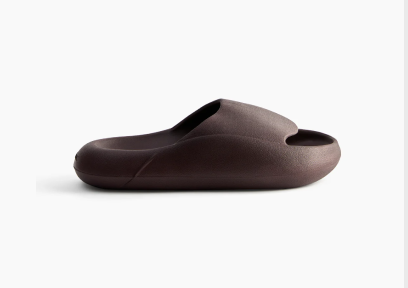
 Sliders
 The Sport Bag
 Socks - Pack of 8







Best Footwear for Flat Feet: Comfort and Support Guide

Footwear might seem simple until your arches flatten out and start rewriting your entire walking experience. And it's the experience of many.
A lot of style lovers navigate the world with low arches, yet still crave sneakers that score high on both aesthetics and comfort. The search for the best sneakers for flat feet can feel like a scavenger hunt, especially when you refuse to compromise your wardrobe energy.
So, how do you keep your outfits sharp while giving your feet the structure they crave? Let’s go through the aspects today.

Why Flat Feet Demand Something Different
Flat arches shift your body mechanics. Suddenly your ankles roll inward, pressure spreads unpredictably, and your legs work overtime. You might notice subtle cues first: tired calves, numb toes, or that quiet soreness after a day out.
Your footwear becomes a silent architect shaping how you stand, move, and how confidently you stride into a room.
Since you care deeply about what goes on your feet, consider sneaker design as more than a style choice. It’s foot health in motion. And the importance of shoes in the foot health story becomes clearer once you know how certain features support your alignment.
What Flat Feet Truly Need in Sneakers
Fashion-forward sneakers can still serve function; it’s simply about spotting the engineering hiding behind the aesthetics. Based on proven biomechanics principles, here’s what matters.
1. Structured Arch Support
Instead of sinking into soft cushioning that encourages further collapse, look for shaped midsoles that elevate the arch. The comfort payoff is remarkable— lower muscle fatigue, smoother transitions, and a noticeable boost when walking inclines or declines.
No wonder so many brands promote models labeled the best arch support shoes for flat feet these days.
2. Stability Features That Keep You Centered
Overpronation is the usual companion of flat arches. Stability systems like medial posts, firmer foams, or widened platforms keep your weight aligned. A sneaker that steadies you will change how your entire body behaves.
Sneaker lovers sometimes underestimate it. But alignment has a way of influencing everything from posture to mood.
3. A Heel Counter That Means Business
A padded, structured heel counter prevents wobbling with every step. That tiny piece of material hugging your heel does far more than you might guess. It supports your rearfoot and anchors your stride.
4. A Midsole That Refuses to Twist
Give your sneaker a little twist test.
If it folds like paper, it won’t serve flat arches well. Firm midsoles deliver consistent support across the foot. That stiffness actually equals stability.
5. A Wider Fit to Free the Toes
Flat feet spread out more. Tight toe boxes lead to friction, hot spots, and awkward pressure. A wider forefoot area creates comfort, especially during longer days. Fashion isn’t stylish when you’re silently suffering.
6. Removable Insoles
Being able to swap in orthotics or aftermarket insoles adds flexibility. If you love customizing your footwear experience, that small feature feels like freedom.
The Three Shoe Categories You Should Know
| Sneaker Category | Characteristics | Best For |
|---|---|---|
| Stability Sneakers | Balanced cushioning, solid midsole support, moderate control, versatile design | Mild to moderate overpronation; flat arches seeking a balance of structure and style |
| Motion Control Sneakers | Rigid heel, firm midsole, straight last, maximum support and control | Severe overpronation; wearers needing maximum stability and a locked-in feel |
| Neutral Sneakers | Flexible, plush cushioning, minimal structural support | Natural pronators; not recommended for flat arches |
Style Without Sacrifice: How Fashion and Function Coexist
Fashion doesn’t have to bow down to biomechanics. In fact, modern sneaker design leans into performance tech as a style element. Chunky midsoles read trendy. Reinforced heel counters blend into architectural silhouettes. Wide toe boxes look athletic, polished, and runway-approved in the right colorway.
When you choose the best flat feet shoes, you’re choosing sneakers that let you move the way your wardrobe deserves.
Ask yourself a quick question: Would your outfit feel as confident if your feet weren’t? Exactly.
How to Choose the Best Sneaker for Flat Feet Without Guessing
Here’s a no-nonsense way to shop smart.
The Midsole First
Is it shaped to support the arch? Is it firm enough to resist twisting? If you squeeze it and it collapses instantly, move on.
The Heel Structure
A substantial heel counter should hold your rearfoot comfortably. No slipping, no wobbling.
Assess Width Options
If your toes feel hugged before you start walking, the sneaker won’t work for long days. Go for wide or roomy toe boxes.
Evaluate Stability Tech
Brands use different terms, but anything that controls inward rolling works in your favor.
Test Insole Compatibility
Your future self will thank you for choosing removable insoles.
So, What are the Best Sneakers for Flat Feet?
Many of the pairs people call the best sneaker for flat feet fall into one of two categories: stability or motion control.
For the best sneakers, focus on models with,
- Firm midsoles
- Structured arch support
- Reinforced heel counters
- Roomy toe boxes
- and Compatibility with orthotics
Once you know what flat arches crave, shopping becomes fun!
The Bottom Line
When you look at styling yourself, your feet set the rhythm. If your arches are supported, your movements feel natural, your posture elevates, and your outfits come alive. You deserve sneakers that respect your anatomy, like the tailor-made.
If you want to go into it, the journey to finding the best sneakers for flat feet is about discovering footwear engineered to let you walk. To stand, explore, dance, travel, chase moments, and feel steady through it all.
Related
Foot care tips for sneaker lovers
Importance of shoe in foot heath
FAQs
Do flat feet worsen with bad sneakers?
Yes. Unsupportive sneakers can increase strain on joints and muscles, if you have flat feet. They can also lead to long-term alignment issues.
How long do supportive sneakers last?
Most supportive sneakers maintain structure for 300–500 miles of regular wear before cushioning and stability decline.
Are flat feet sneakers heavier?
Some designs feel slightly heavier due to stability components, yet modern materials keep weight manageable for daily wear.
Can fashion sneakers support flat feet?
Yes. Many fashion-forward sneakers include structured midsoles and stable platforms without sacrificing visual appeal.
Do socks affect flat feet comfort?
Absolutely. Cushioned, moisture-wicking socks reduce friction, support arches subtly, and improve overall sneaker comfort.


