



 DS Moto
 Sliders
 The Sport Bag
 Socks - Pack of 8





How to Choose the Best Footwear for Travelling : A Practical Guide for Indian Men

Most men figure out their travel footwear the hard way hauling three pairs across six states, sweating in sneakers at the beach, and returning with blisters they didn't leave home with. Choosing the best footwear for travelling isn't complicated, but it does require thinking about your trip before you pack, not after you land.
This guide covers what actually matters when choosing travel footwear, how to match it to your trip type, and why most Indian men are overpacking their shoes without realizing it. The short answer for most summer and coastal trips: a good pair of sliders handles more than people expect, and a canvas slip-on covers the rest.
*A note on how this guide is structured: we've broken it down by what to look for, what trip type demands what footwear, what to actively avoid packing, and which specific Ludic products cover most Indian travel scenarios. If you're trekking in Ladakh, this guide isn't for you to get proper trekking shoes. For the rest of Indian travel, read on.*
What Actually Makes Good Travel Footwear?
Before picking a specific shoe, understand the criteria. Travel footwear is evaluated differently from everyday footwear and most men apply the wrong filter when packing.
Weight and packability. Every gram you carry compounds across a trip. Heavy shoes are a liability in overhead compartments, auto rickshaws, and hostel lockers. Lightweight materials EVA, canvas, mesh are non-negotiable for travel.
Versatility across surfaces. Indian travel means old city cobblestones, airport marble floors, beach sand, wet pavements, and hotel room tiles sometimes within the same day. Your footwear needs grip on wet surfaces, comfort on hard floors, and practicality on uneven terrain.
Wet weather performance. Even outside monsoon season, your travel footwear will get wet poolside, beach, unexpected rain, flooded street. Waterproof or quick-dry materials are not a bonus; they're a baseline requirement.
Ease of wear. Airport security, temple visits, roadside dhabas all require footwear you can get in and out quickly. Laces cost you seconds. Seconds compound into minutes. Minutes into frustration.
Foot recovery. Long days of exploring are harder on feet than people admit. A footbed that cushions and recovers rather than compressing flat by afternoon is the difference between a good travel day and a painful one.
Match Your Footwear to Your Trip Type
The biggest mistake in travel footwear isn't picking the wrong shoe it's picking the wrong shoe for the wrong trip. Here's how to think about it.
Beach and Coastal Trips Goa, Andaman, Kovalam, Varkala
Beach travel is where sliders win completely. Sand, salt water, wet pool tiles, humid air none of this is survivable in sneakers without destroying them. You need footwear that wipes clean with a splash of water, dries in ten minutes, and feels just as good on sand as on the restaurant floor two hours later.
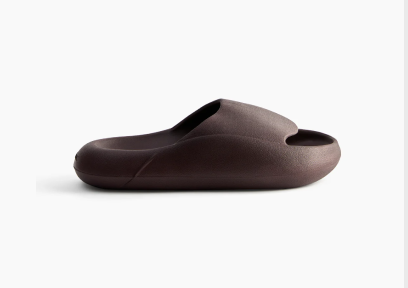
The Ludic Sliders 2.0 are built for exactly this. Single-piece injection-moulded CloudFrame™ construction no glue joints, no stitching, no seams to crack or absorb salt water. The recovery EVA footbed means your feet decompress after long beach walks rather than feeling flattened by dinner. A wide toe box accommodates swollen feet that come with heat and humidity. In Jalebi Orange or Go Red, they're not an afterthought, they're the whole look.
For coastal trips: sliders are all you need as a footwear anchor. Bring one pair that handles the beach, restaurant, hotel, and evening stroll without a change.
City Exploration Trips Mumbai, Delhi, Jaipur, Varanasi, Old City Anywhere
City trips demand slightly more structure than beach trips. You're on uneven pavement for 5–6 hours, occasionally entering temples or mosques, and moving between outdoor heat and aggressive AC.
Sliders still work for most of this; the wide strap keeps your foot secure without toe-gripping, which matters over 10,000 steps on old city streets. But if your trip is primarily city-based with less beach and more heritage, a canvas slip-on earns its place.
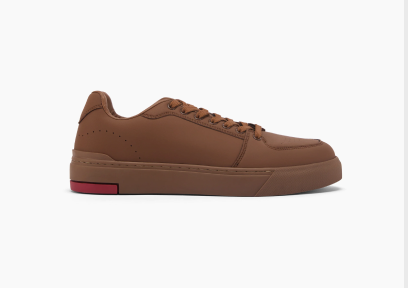
The Ludic EC Slip-On (₹2,499) covers this gap. Canvas upper, sculpted insole, elastic collar for a secure fit without laces. Breathable enough for outdoor walking, structured enough to read as a deliberate outfit choice at dinner. Sliders 2.0 remain your hotel and evening footwear; EC Slip-On handles the day's walking load.
Hill Stations Manali, Coorg, Ooty, Munnar
This is the one trip type where sliders genuinely take a back seat. Uneven forest paths, wet grass, and descending hillside trails need ankle support and grip that open footwear can't provide. Closed trail shoes or sturdy sneakers are the right call here. Sliders still earn their place as hotel recovery footwear at the end of a long day nothing beats sliding into a pair of CloudFrame™ after a hill walk but they're not the primary shoe for hill exploration.
Explore and Choose Ludic Sliders 2.0 – Comfort Designed for Everyday Movement
What to Avoid Packing
Knowing what not to bring is as important as knowing what to bring. Here's what most Indian men pack for travel that ends up being deadweight:
Multiple pairs of sneakers. One pair is fine. Two is almost never justified unless you're running a half-marathon mid-trip. Most sneakers are bulky, slow to dry, and redundant once you have a good slider for everything else.
Formal shoes. Unless your travel includes a specific formal event that requires them a wedding, a client dinner formal shoes are wasted packing space. Most vacation dining doesn't require closed, polished footwear. Sliders 2.0 in Tandoor Black or EC Slip-On in Petrichor Brown handle every dinner situation that isn't a five-star dress code event.
Heavy rubber-soled footwear. Rubber is heavy and heat-retaining. In Indian summer or coastal conditions, rubber-soled shoes are uncomfortable within an hour of outdoor walking. EVA soles are lighter, faster-drying, and significantly more comfortable in heat.
Fashion footwear that isn't functional. A pair of shoes that looks great but can't handle a wet floor, a long walk, or an impromptu beach moment isn't travel footwear it's a liability. If it can't do two things well, it has no business being in your travel bag.
The two-pair rule. Most Indian travel scenarios, beach, city, hill station can be covered with two pairs maximum. One slider for beach, hotel, and casual evenings. One canvas slip-on or trail sneaker for active city or hill exploration. Anything beyond two pairs is optimism that becomes weight.
Looking for more summer-ready footwear options? Check out our guide on Best Sliders for Summer in India.
Why Sliders Work Better for Indian Travel Than Most Men Think
The prevailing assumption is that travel means sneakers. It's wrong for most of the travel Indian men actually do.
Consider the typical Indian summer trip of three to five days, coastal or city destination, a mix of beach mornings, old city afternoons, and dinner evenings. Sneakers are overbuilt for beach use (they absorb sand and salt water and never fully recover), over-formal for beach evenings, and honestly unnecessary when a well-built slider handles every one of these settings without breaking stride.
The argument against sliders is usually about support and protection. It's a fair argument for high-impact activity but leisurely beach walks, airport lounges, and casual city exploring aren't high-impact activities. They're moderate-pace movement across varied surfaces, which is exactly what a recovery EVA footbed and a wide-strap slider is designed for.
The Ludic Sliders 2.0 specifically are designed around Indian foot anatomy wider toe box, recovery cushioning, surfaces that handle wet conditions. They're not beach slippers masquerading as real footwear. They're the best footwear for travelling across most Indian summer and coastal scenarios, with the data to back it up: single-piece moulded construction with no failure points, quick-dry EVA that wipes clean, and a footbed that actively supports foot recovery after extended outdoor use.
For city-heavy travel where more structure is needed, the EC Slip-On steps in as the complement canvas, sculpted, no-lace convenience. Two Ludic products, most Indian travel covered.
FAQ
What is the best footwear for travelling in India?
For most Indian travel beach destinations, city exploration, and short hill station trips a combination of EVA sliders and a canvas slip-on covers the widest range of situations. Sliders handle beach, hotel, airport, and casual evenings. A canvas slip-on covers city walks, market exploration, and temple visits. Avoid over-packing two pairs is the correct answer for most 3–7 day trips.
Are sliders good footwear for travel?
Yes for beach, coastal, and city travel specifically. A well-built EVA slider with a recovery footbed handles long walking days better than people expect, dries immediately after water exposure, and slips on and off in seconds at airport security and temple entrances. The exception is hill stations and trekking trails, where more support and grip are needed from a closed shoe.
How many pairs of shoes should I pack for a trip?
Two pairs is the practical maximum for most Indian travel. One pair that handles beach, hotel, and casual evening settings with a slider with a good footbed. One pair that handles active city exploration or light outdoor walks, a canvas sneaker or slip-on. Packing three or more pairs means carrying weight that your two primary pairs already cover.
What makes a good travel shoe for Indian conditions?
Lightweight material, quick-dry capability, grip on wet surfaces, and ease of wear. Indian travel involves a greater mix of surfaces and weather conditions than most international travel: monsoon-adjacent streets, hot beach sand, air-conditioned interiors, uneven city pavements. Footwear that handles this range without needing care or drying time is the practical choice. EVA-based sliders and canvas slip-ons meet all four criteria.
[CTA: Shop Ludic Sliders 2.0]


